| Journal of Endocrinology and Metabolism, ISSN 1923-2861 print, 1923-287X online, Open Access |
| Article copyright, the authors; Journal compilation copyright, J Endocrinol Metab and Elmer Press Inc |
| Journal website https://jem.elmerpub.com |
Original Article
Volume 15, Number 5, December 2025, pages 202-209

Thyroid Cancer in Thyrotoxic Patients: Clinicopathological Features and Outcomes: A Propensity Score Analysis
Shaza Samargandya  , Khalid Alfaresa, Ghofran
Qorbanb, e , Ali Alattasc, Ammar
Alharbid, Raghad Alotaibid
, Khalid Alfaresa, Ghofran
Qorbanb, e , Ali Alattasc, Ammar
Alharbid, Raghad Alotaibid
aEndocrine Unit, Faculty of Medicine, King Abdulaziz University, Jeddah, Saudi
Arabia
bEndocrine Section, Department of Medicine, Dr. Solaiman Fakeeh Hospital,
Jeddah, Saudi Arabia
cDepartment of Medicine, Dr. Solaiman Fakeeh Hospital,
Jeddah, Saudi Arabia
dDepartment of Medicine, King Abdulaziz University
Hospital, Jeddah, Saudi Arabia
eCorresponding Author: Ghofran Qorban, Endocrine
Section, Department of Medicine, Dr. Solaiman Fakeeh Hospital, Jeddah, Saudi Arabia
Manuscript submitted September 1, 2025, accepted October 2, 2025, published online December 24,
2025
Short title: Thyroid Cancer in Thyrotoxic Patients
doi:
https://doi.org/10.14740/jem1561
| Abstract | ▴Top |
Background: Over the past few decades, the incidence of differentiated thyroid cancer (DTC) has continued to rise, largely attributed to advances in diagnostic imaging and increased surveillance. Whether the presence of concomitant thyrotoxicosis alters the behavior or prognosis of DTC remains uncertain and continues to be debated. We conducted a retrospective matched cohort study to address this question.
Methods: We retrospectively analyzed 11 patients with thyrotoxicosis and DTC and compared them with 415 euthyroid DTC patients treated between 2010 and 2020. To minimize confounding, a 1:4 propensity score matching analysis was performed. Risk stratification and outcomes were assessed according to the 2015 American Thyroid Association (ATA) guidelines.
Results: Papillary thyroid carcinoma was the predominant type in both groups (90.9% in thyrotoxic vs. 89.6% in euthyroid/hypothyroid). Among thyrotoxic patients, six out of 11 (54.5%) had papillary microcarcinomas. After matching, no significant differences were found between the groups in ATA risk category (P = 0.12), or disease outcome at 1 year (P = 0.29).
Conclusions: These findings may suggest that thyrotoxicosis facilitates earlier detection of DTC, reflected by the higher proportion of microcarcinomas, but it does not appear to substantially influence tumor behavior or short-term outcomes.
Keywords: Thyroid cancer; Thyrotoxicosis; DTC; PTC
| Introduction | ▴Top |
Over recent years, the worldwide incidence of differentiated thyroid cancer (DTC) predominantly driven by papillary thyroid carcinoma (PTC) has notably increased, PTC comprises more than 90% of cases [1]. By 2019, PTC was ranked as the third most common cancer in women in the United States and the second most common in countries such as Saudi Arabia [2]. Despite this growing incidence, death rates from thyroid cancer have not increased. This trend is largely explained by the increased use of imaging and more careful diagnostic work, which often pick up very small, slow-growing tumors like papillary microcarcinomas at an earlier stage [3].
Thyrotoxicosis, defined as the clinical state of thyroid hormone excess, commonly arises from Graves’ disease (GD), toxic multinodular goiter (TMNG), or autonomously functioning thyroid nodules (AFTNs). In patients undergoing thyroidectomy to treat hyperthyroidism, incidental thyroid cancer - defined as carcinoma identified unexpectedly on histology after surgery for presumed benign disease - has been reported at variable rates, from 6.4% in GD to as high as 22.3% in TMNG [4, 5]. A meta-analysis of 33 studies found that the odds of developing thyroid cancer in patients with GD were not significantly different from those with TMNG or AFTN [6]. This discrepancy raises two concerns: first, possible underdiagnosis of cancer in hyperthyroid patients who do not undergo surgery; and second, the potential for surveillance bias, where increased thyroid radiology use may artificially inflate cancer detection rates.
The clinical impact of thyrotoxicosis on the behavior and prognosis of thyroid cancer remains uncertain. Previous studies have suggested more aggressive tumor behavior and worse outcomes in patients with underlying thyrotoxicosis [7, 8]. Other investigations, however, did not identify significant prognostic differences, suggesting that thyrotoxicosis may not independently affect outcomes [9]. The inconsistency of prior findings underscores the need for methodologically robust studies.
We therefore conducted a retrospective matched cohort study to examine whether thyrotoxicosis influences the clinicopathological features and outcomes of thyroid cancer, using propensity score matching to minimize confounding.
| Materials and Methods | ▴Top |
Study design, setting
A retrospective study was done in King Abdulaziz University Hospital (KAUH), Jeddah, Saudi Arabia.
Study participants
The inclusion criteria were: 1) Adult DTC patients managed at the study setting between 2010 and 2020; 2) Patient with at least 1 year of follow-up to determine outcomes; 3) Patients with available preoperative biochemical/radiological workup to establish thyroid function status. The exclusion criteria were: 1) Pediatric patients (age < 14 years per institution regulation); 2) Patients with thyroid lymphoma, medullary, and anaplastic thyroid cancers; 3) Patients who did not have available preoperative full thyroid biochemical tests or enough follow-up information.
The biochemical parameters to define thyrotoxicosis were the suppressed thyroid-stimulating hormone (TSH) (< 0.3 mIU/L) level. Overt thyrotoxicosis was defined when TSH was suppressed in conjunction with elevated free T3 and/or free T4 (normal ranges: free T4, 10.3 - 22 pmol/L; free T3, 3.5 - 6.4 pmol/L). Radiological studies included thyroid technetium scan and thyroid ultrasound. The underlying cause of hyperthyroid was identified based on thyroid technetium scans that were assessed and reported by experienced nuclear medicine physicians.
Data collection
A checklist was used to obtain data about patients’ clinicopathological features. We identified the thyrotoxicosis patients based on the typical overt or subclinical hyperthyroidism biochemical and radiological data upon their diagnosis. We collected the preoperative biochemical and radiological data for each patient with confirmed thyrotoxicosis and thyroid cancer. For all the cohort, demographic data, detailed postoperative histopathological features, and subsequent long-term outcomes were acquired. Long-term outcomes and initial risk assessment were defined based on the 2015 American Thyroid Association guidelines [10], where response to therapy was categorized into excellent, indeterminate, biochemical or structural incomplete response to therapy. Each patient’s tumor markers and imaging were assessed to place the patient in the appropriate category.
Comparison of risk assessment between patients with and without thyrotoxicosis in the complete cohort with complete outcome data was done. In addition, a comparison of clinicopathological features between patients with and without thyrotoxicosis of the cohort after propensity score matching was done.
Ethical considerations
The study was approved by the Research Ethics Committee of King Abdulaziz University Hospital (Jeddah, Saudi Arabia) and conducted in accordance with the principles of the Declaration of Helsinki.
Data analysis
To reduce potential confounding effects and selection bias, 1:4 propensity score matching was conducted, in a ratio of one thyrotoxic to four non-thyrotoxic cases. The variables that were taken into consideration in the matching are the ones affecting the outcome. We matched the age, sex, pathology, and the overall initial risk assessment to evaluate if thyrotoxicosis independently affects DTC outcome. Propensity scores were estimated using logistic regression, with thyrotoxicosis status as the dependent variable. Covariates included age, sex, tumor size, multifocality, and histological subtype. A 1:4 nearest-neighbor matching without replacement was applied using a caliper of 0.2 standard deviations (SDs) of the logit of the propensity score. Covariate balance was assessed using standardized mean differences and visual inspection of distributions. Post-matching analyses were conducted on the matched cohort (n = 55).
SPSS Statistics for Windows, version 26.0 (IBM Corp, Armonk, NY, USA) was used for data analysis. Continuous data were described as mean ± SD and compared using Student’s t-test. The assumptions for applying Student’s t-test were formally assessed. Specifically, we verified: 1) Normality of the continuous variables using the Shapiro-Wilk test and visual inspection via Q-Q plots; 2) Homogeneity of variances using Levene’s test; 3) Independence of observations ensured by study design (no repeated measures or paired data). Where these assumptions were met, the Student’s t-test was applied. This approach ensures statistical validity and robustness of our comparisons. Categorical data were described as numbers and percentage (%) and compared with the Chi-squared test. Statistical significance was determined using a P value of < 0.05 as the threshold.
| Results | ▴Top |
Before propensity score matching
We had a total of 415 thyroid cancer patients without thyrotoxicosis, and 11 patients with thyrotoxicosis. The mean age of the thyrotoxic group was slightly younger (39.9 ± 9.8 vs. 41.9 ± 13.4 years) than the non-thyrotoxic group. Majority of patients were females in both groups. In the thyrotoxic group, 81.8% of patients were females, and in the non-thyrotoxic group, 74.2% of the patients were females. The commonest pathological type was PTC in both groups, as 10 patients (90.9%) in the thyrotoxic group and 372 patients (89.6%) of the non-thyrotoxic group had PTC.
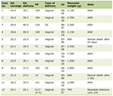
The comparison showed no significant difference between the two groups regarding the age at diagnosis, sex, pathological type of the thyroid cancer, stage at diagnosis, vascular invasion, margin involvement, extranodal extension, multifocality or the size of the tumor (P > 0.05). The rate of lymph node (LN) metastasis was significantly higher in the non-thyrotoxic group (39.8% vs. 9.1%, P = 0.04). Significant differences emerged in papillary carcinoma variants. Papillary microcarcinoma was the most frequent subtype among thyrotoxic patients (54.5%), whereas the classical variant predominated in the non-thyrotoxic group (55.9%; P = 0.004). Table 1 presents a comparison of the clinicopathological features between patients with and without thyrotoxicosis in the complete cohort. Comparing the risk assessment and 1-year outcome between patients with and without thyrotoxicosis in the complete cohort showed that there was no significant difference between the two groups (P > 0.05) (Table 2).
 Click to view |
Table 1. Comparison of Clinicopathological
Features Between Patients With and Without Thyrotoxicosis in the Complete Cohort
(N = 426) |
Click to view |
Table 2. Comparison of Risk Assessment and
1-Year Outcome Between Patients With and Without Thyrotoxicosis in the Complete
Cohort (N = 426) |
After propensity score matching
After matching for age, sex, pathology, and the overall initial risk assessment, we compared the clinicopathological features between patients with and without thyrotoxicosis. After propensity score matching, no significant differences were found between the two groups considering T, N, M staging, LN metastasis, stage at diagnosis, vascular invasion, margin involvement, extranodal extension, or multifocality (P > 0.05). Variants of papillary cancer differed significantly between patients with and without thyrotoxicosis. Papillary microcarcinoma was the most common variant in the thyrotoxic group (54.5%), while the classical variant predominated in the non-thyrotoxic group (47.8%, P = 0.035). Table 3 illustrates the detailed comparison.
Click to view |
Table 3. Comparison of Clinicopathological
Features Between Patients With and Without Thyrotoxicosis of the Cohort After
Propensity Score Matching (N = 55) |
The 1-year outcome between patients with and without thyrotoxicosis in the cohort after propensity score matching was compared, and no significant difference between the two groups was found (P > 0.05) (Table 4).
Click to view |
Table 4. Comparison of Risk Assessment and
1-Year Outcome Between Patients With and Without Thyrotoxicosis in the Cohort
After Propensity Score Matching (N = 55) |
| Discussion | ▴Top |
This study explored the clinicopathological profile and 1-year outcomes of DTC in patients with and without thyrotoxicosis, using propensity score matching to minimize confounding. Our preliminary findings suggest that thyrotoxicosis is not independently associated with more aggressive pathological characteristics or worse short-term outcomes.
PTC was the main histological subtype in both groups (90.9% vs. 89.6%), consistent with its predominance in DTC worldwide [11]. The higher frequency of papillary microcarcinomas among thyrotoxic patients (54.5%) likely reflects earlier or incidental detection, as surgery in this group is often performed to control hyperthyroidism rather than suspected malignancy. Yoon et al [12] also noted a higher prevalence of microcarcinomas in GD, which they attributed to earlier detection during surgical management.
We found no significant differences in tumor size, stage, vascular invasion, extrathyroidal extension, or multifocality after matching. An apparent lower rate of LN metastasis in thyrotoxic patients (9.1% vs. 39.8%) was no longer significant after matching, suggesting this difference was more likely attributable to confounding than to thyroid hormone excess. Reports in the literature have not been consistent. Pazaitou-Panayiotou et al [13] in a review of previously published studies, highlighted conflicting evidence regarding the aggressiveness of thyroid carcinoma in patients with GD. While several reports described higher rates of LN metastasis and locally advanced disease, others found no significant differences compared with euthyroid patients. The authors emphasized the heterogeneity of study designs and the lack of prospective data, underscoring the need for larger, methodologically robust studies. Menon et al [14] observed no difference in baseline pathological features between the two groups. During follow-up, however, their GD cohort had more disease progression, mainly in the form of new skeletal metastases.
After matching, there were no significant differences in the 1-year response to treatment between groups. The absence of significant differences in early outcomes supports the idea that thyrotoxicosis does not negatively affect prognosis within the first year after treatment. These findings are in line with a propensity score-matched study by Kwon et al [15], which demonstrated no significant difference in recurrence-free survival between PTC patients with GD and euthyroid controls, with 5-year recurrence-free survival rates of 100% and 98.4%, respectively. In addition, a systematic review and meta-analysis by Mekraksakit et al [8] highlighted that patients with hyperthyroidism may have a significantly higher risk of distant metastasis and multifocal tumors. Nevertheless, this was not associated with cancer-related mortality or recurrence or persistent disease during follow-up. Conversely, another meta-analysis by Song et al [16] reported that patients with hyperthyroidism experienced significantly worse outcomes, including higher recurrence rates and mortality compared to euthyroid patients. Such divergent findings may reflect differences in study design, patient selection, length of follow-up, and how thyrotoxicosis was defined. Taken together, they highlight the need for future research that stratifies patients by etiology (Graves’, TMNG, AFTN), applies uniform definitions, and examines long-term outcomes.
Our data contribute to a growing body of evidence suggesting that while thyrotoxicosis may influence the detection pattern of thyroid cancers - particularly favoring early or incidental diagnosis - it does not appear to be associated with more aggressive disease phenotypes or drive a worse early outcome. The incidence of incidental thyroid malignancy in patients with hyperthyroidism is higher than the historically reported rates of 3-5% [17, 18]. These observations raise the possibility that broader use of imaging in GD, even when thyroid receptor antibodies are positive, might facilitate earlier cancer detection. Currently, the American Thyroid Association guidelines endorse a 123I or 99mTc pertechnetate scan to be obtained only when clinically suspecting an AFTN or TMNG [19]. Additionally, nuclear imaging of the thyroid is recommended in the European Thyroid Association guidelines solely when thyroid nodularity is detected with hyperthyroidism and before administering therapy [20]. Notably, in a retrospective study of patients with confirmed GD hyperthyroidism and no palpable nodules by examination, 8.5% had concomitant thyroid nodules [21], suggesting that malignancy may be under-recognized in this population and that surgical management could be favored when carcinoma coexists with thyrotoxicosis.
Our study is limited by its single-center design, the relatively small number of thyrotoxic patients, and the short follow-up, which warrant cautious interpretation. Further research with larger cohorts and longer follow-up will be needed to determine whether thyroid functional status has any impact on recurrence or survival.
Conclusions
In this retrospective matched analysis, thyrotoxicosis did not appear to be independently associated with more aggressive clinicopathological features or adverse short-term outcomes at 1 year. The higher incidence of papillary microcarcinoma in thyrotoxic patients may be attributed to increased surveillance rather than distinct biological behavior. These preliminary findings may suggest that thyroid functional status does not determine thyroid cancer behavior at the first postoperative year, and it is likely derived by other clinical and histopathological data.
Acknowledgments
None to declare.
Financial Disclosure
None to declare.
Conflict of Interest
The authors report that there are no competing interests to declare.
Informed Consent
Due to the retrospective and non-interventional method of the study, patients’ consent was waived.
Author Contributions
Shaza Samargandy: conception of the research idea, data analysis, manuscript writing, and manuscript reviewing. Khalid Alfares: conception of the research idea, literature review, data analysis, manuscript writing, and manuscript reviewing. Ghofran Qorban: conception of the research idea, literature review, manuscript writing, and manuscript reviewing. Ali Alattas, Ammar Alharbi, and Raghad Alotaibi: conception of study idea, data collection, manuscript writing, and manuscript reviewing.
Data Availability
The data supporting the findings of this study are available from the corresponding author upon reasonable request.
Abbreviations
DTC: differentiated thyroid cancer; PTC: papillary thyroid carcinoma; GD: Graves’ disease; TMNG: toxic multinodular goitre; AFTNs: autonomously functioning thyroid nodules; LN: lymph node; TNM: tumor, nodes, metastasis
| References | ▴Top |
- Miranda-Filho A, Lortet-Tieulent J, Bray F, Cao B, Franceschi S,
Vaccarella S, Dal Maso L. Thyroid cancer incidence trends by histology in 25 countries: a
population-based study. Lancet Diabetes Endocrinol. 2021;9(4):225-234.
doi pubmed - Alshehri B. Descriptive epidemiological analysis of thyroid cancer in
the Saudi population (2001-2013). Asian Pac J Cancer Prev.
2017;18(5):1445-1451.
doi pubmed - Rossi ED, Pantanowitz L, Hornick JL. A worldwide journey of thyroid
cancer incidence centred on tumour histology. Lancet Diabetes Endocrinol.
2021;9(4):193-194.
doi pubmed - Apostolou K, Zivaljevic V, Tausanovic K, Zoric G, Chelidonis G,
Slijepcevic N, Jovanovic M, et al. Prevalence and risk factors for thyroid cancer in patients
with multinodular goitre. BJS Open. 2021;5(2):zraa014.
doi pubmed - Wang R, Disharoon M, Song Z, Gillis A, Fazendin J, Lindeman B, Chen
H, et al. Incidental but not insignificant: thyroid cancer in patients with Graves disease.
J Am Coll Surg. 2024;238(4):751-758.
doi pubmed - Staniforth JUL, Erdirimanne S, Eslick GD. Thyroid carcinoma in
Graves' disease: a meta-analysis. Int J Surg. 2016;27:118-125.
doi pubmed - Medas F, Erdas E, Canu GL, Longheu A, Pisano G, Tuveri M, Calo PG.
Does hyperthyroidism worsen prognosis of thyroid carcinoma? A retrospective analysis on 2820
consecutive thyroidectomies. J Otolaryngol Head Neck Surg. 2018;47(1):6.
doi pubmed - Mekraksakit P, Rattanawong P, Karnchanasorn R, Kanitsoraphan C,
Leelaviwat N, Poonsombudlert K, Kewcharoen J, et al. Prognosis of differentiated thyroid
carcinoma in patients with Graves disease: a systematic review and meta-analysis. Endocr Pract.
2019;25(12):1323-1337.
doi pubmed - Wahl RA, Goretzki P, Meybier H, Nitschke J, Linder M, Roher HD.
Coexistence of hyperthyroidism and thyroid cancer. World J Surg.
1982;6(4):385-390.
doi pubmed - Haugen BR, Alexander EK, Bible KC, Doherty GM, Mandel SJ, Nikiforov
YE, Pacini F, et al. 2015 American Thyroid Association Management guidelines for adult patients
with thyroid nodules and differentiated thyroid cancer: the American Thyroid Association
Guidelines Task Force on Thyroid Nodules and Differentiated Thyroid Cancer. Thyroid.
2016;26(1):1-133.
doi pubmed - Lee YJ, Egan CE, Greenberg JA, Marshall T, Tumati A, Finnerty BM,
Beninato T, et al. Patterns in the reporting of aggressive histologic subtypes in papillary
thyroid cancer. J Surg Res. 2024;298:325-334.
doi pubmed - Yoon JH, Jin M, Kim M, Hong AR, Kim HK, Kim BH, Kim WB, et al.
Clinical characteristics and prognosis of coexisting thyroid cancer in patients with Graves'
disease: a retrospective multicenter study. Endocrinol Metab (Seoul).
2021;36(6):1268-1276.
doi pubmed - Pazaitou-Panayiotou K, Michalakis K, Paschke R. Thyroid cancer in
patients with hyperthyroidism. Horm Metab Res. 2012;44(4):255-262.
doi pubmed - Menon R, Nair CG, Babu M, Jacob P, Krishna GP. The outcome of
papillary thyroid cancer associated with Graves' disease: a case control study. J Thyroid
Res. 2018;2018:8253094.
doi pubmed - Kwon H, Moon BI. Prognosis of papillary thyroid cancer in patients
with Graves' disease: a propensity score-matched analysis. World J Surg Oncol.
2020;18(1):266.
doi pubmed - Song Y, Fu L, Wang P, Sun N, Qiu X, Li J, Zheng S, et al. Effect of
Graves' disease on the prognosis of differentiated thyroid carcinoma: a meta-analysis.
Endocrine. 2020;67(3):516-525.
doi pubmed - Cerci C, Cerci SS, Eroglu E, Dede M, Kapucuoglu N, Yildiz M, Bulbul
M. Thyroid cancer in toxic and non-toxic multinodular goiter. J Postgrad Med.
2007;53(3):157-160.
doi pubmed - Gelmini R, Franzoni C, Pavesi E, Cabry F, Saviano M. Incidental
thyroid carcinoma (ITC): a retrospective study in a series of 737 patients treated for benign
disease. Ann Ital Chir. 2010;81(6):421-427.
pubmed - Ross DS, Burch HB, Cooper DS, Greenlee MC, Laurberg P, Maia AL,
Rivkees SA, et al. 2016 American Thyroid Association guidelines for diagnosis and management of
hyperthyroidism and other causes of thyrotoxicosis. Thyroid. 2016;26(10):1343-1421.
doi pubmed - Kahaly GJ, Bartalena L, Hegedus L, Leenhardt L, Poppe K, Pearce SH.
2018 European Thyroid Association guideline for the management of Graves' hyperthyroidism. Eur
Thyroid J. 2018;7(4):167-186.
doi pubmed - Lacey NA, Jones A, Clarke SE. Role of radionuclide imaging in
hyperthyroid patients with no clinical suspicion of nodules. Br J Radiol.
2001;74(882):486-489.
doi pubmed
This
article is distributed under the terms of the Creative Commons Attribution Non-Commercial 4.0
International License, which permits unrestricted non-commercial use, distribution, and
reproduction in any medium, provided the original work is properly cited.
Journal
of Endocrinology and Metabolism is published by Elmer Press Inc.