| Journal of Endocrinology and Metabolism, ISSN 1923-2861 print, 1923-287X online, Open Access |
| Article copyright, the authors; Journal compilation copyright, J Endocrinol Metab and Elmer Press Inc |
| Journal website https://jem.elmerpub.com |
Original Article
Volume 15, Number 5, December 2025, pages 181-190

Prevalence of Diabetic Peripheral Neuropathy and Its Association With Vitamin B12 Deficiency and Health-Related Quality of Life
Berniza Calderona, b, c, d  , Manuel Sotoa , Nadja
Garciaa, b , Sahel Ghazanfaria, b, Janet
Veleza, c, Sherezade Hasbunc, d
, Manuel Sotoa , Nadja
Garciaa, b , Sahel Ghazanfaria, b, Janet
Veleza, c, Sherezade Hasbunc, d
aResearch Unit, Centro Médico de Diabetes, Obesidad y Especialidades (CEMDOE),
Santo Domingo, Dominican Republic
bSchool of Medicine, Instituto
Tecnológico de Santo Domingo (INTEC), Santo Domingo, Dominican
Republic
cSociedad Dominicana de Endocrinología y Nutrición (SODENN),
Santo Domingo, Dominican Republic
dCorresponding Author: Berniza Calderon,
Research Unit, Centro Médico de Diabetes, Obesidad y Especialidades (CEMDOE), Santo
Domingo, Dominican Republic
Manuscript submitted October 7, 2025, accepted December 5, 2025, published online December 24,
2025
Short title: Diabetic Neuropathy in Dominican Adults
doi:
https://doi.org/10.14740/jem1582
| Abstract | ▴Top |
Background: The aim of the study was to determine the prevalence of diabetic peripheral neuropathy and vitamin B12 deficiency, their associated factors, and impact on health-related quality of life in a sample from the Dominican Republic.
Methods: A total of 367 patients with diabetes were recruited. The Toronto Clinical Scoring System (TCSS) was used to evaluate the presence of neuropathy symptoms, while the 36-Item Short Form Health Survey (SF-36) was used to assess health-related quality of life.
Results: Of the participants, 33.5% had neuropathy according to TCSS scores. Only one participant reported having a previous diagnosis of neuropathy. Factors associated with neuropathy were age, chronic renal insufficiency, and history of stroke. The prevalence of vitamin B12 deficiency was 4.5%, and no association was found with neuropathy. The presence of neuropathy significantly affected (P < 0.05) all physical dimensions of the SF-36 and the vitality dimension. Factors associated with the Physical Component Score (PCS) were age, neuropathy, and total number of comorbidities; factors associated with Mental Component Score (MCS) were age, sex, and being widowed.
Conclusions: The prevalence of neuropathy was high and its impact on QoL was significant. Almost none of the patients in which neuropathy was detected had a previous diagnosis. Considering this, the development of awareness and prevention interventions among both doctors and patients in the Dominican context is of utmost importance.
Keywords: Diabetic peripheral neuropathy; Vitamin B12 deficiency; Health-related quality of life; SF-36
| Introduction | ▴Top |
Diabetes mellitus (DM) affects between 10% and 14% of the population of the Dominican Republic’s population [1-3]. If not properly managed, it can lead to complications such as cardiovascular disease, chronic renal insufficiency, and lower limb amputations [4, 5]. As the disease progresses, it affects individuals severely, both physically and emotionally, requiring more healthcare services and raising its associated costs [6-8].
One of its most common complications is diabetic peripheral neuropathy (DPN). The prevalence of this condition shows high variability depending on the population studied, ranging from 10% to 50% of patients with diabetes [9, 10]. This condition has important implications as it can lead to the development of diabetic foot ulcers and lower limb amputation [11, 12]. Before reaching this stage, it causes symptoms such as pain, loss of sensation, and motor function impairment, which negatively impacts the health-related quality of life (HRQoL) of those affected. Multiple research studies have shown that people with diabetes and DPN report considerably lower levels of quality of life compared to those who only have diabetes [13-15].
Several factors have been associated with the development of DPN, including vitamin B12 deficiency [16, 17]. Several studies have highlighted that vitamin B12 supplementation may be beneficial in the treatment of this condition. Additionally, some trials have reported improvements in quality of life following the administration of vitamin B12 [18, 19]. Nevertheless, there is still no consensus or clear recommendation regarding the use of vitamin B12 in the management of DPN.
There is a lack of data from research studies with solid methodologies that accurately report the prevalence of DPN in the Dominican Republic. Due to its high variability, it is challenging to approximate it from those observed in other populations. Furthermore, there are no concrete data that report how DPN and vitamin B12 deficiency, either individually or in combination, affect the quality of life of the Dominican population. Therefore, this research study seeks to address this gap in scientific evidence by determining the prevalence of DPN in the Dominican Republic, identifying its associated factors, evaluating its correlation with vitamin B12 deficiency, and assessing how this condition affects the HRQoL of those who have this condition.
| Materials and Methods | ▴Top |
A cross-sectional study was conducted from July 2024 to January 2025 at three medical centers in the Dominican Republic. They were located in the following provinces: Distrito Nacional, Monte Plata, and San Cristobal.
Study population and sample size
Included participants were patients aged 18 years or older, with a diagnosis of type 2 diabetes mellitus (T2DM) for more than 1 year, who provided informed consent. Patients were excluded if they had any of the following conditions: 1) cognitive disability that impeded answering the questionnaire or provide informed consent; 2) cancer diagnosis or chemotherapy treatment; 3) Diagnosis of any of the following: tuberculosis, human immunodeficiency virus (HIV), herpes, hepatitis C, pernicious anemia, celiac disease, chronic kidney failure stage V or on hemodialysis treatment, peripheral arterial disease, autoimmune inflammatory diseases (lupus, rheumatoid arthritis, Sjogren’s syndrome, Guillain-Barre syndrome), connective tissue diseases, spinal diseases (herniated discs, transverse myelitis, etc.), multiple sclerosis, amyotrophic lateral sclerosis, any neurological or rheumatological disease associated with altered sensation, loss of strength, or altered consciousness; 4) history of gastrectomy, gastric bypass surgery, or small intestine surgery; 5) history of psychiatric disorders, including psychotic disorders, suicidal attempts, and current severe major depressive disorder or generalized anxiety disorder; 6) major surgery or hospitalization in the previous month; 7) diagnosis of cerebrovascular accident (CVA) in the previous 6 months, or CVA with sensory or motor sequelae; 8) pregnant women or women who gave birth within the previous 6 months; 9) history of lower extremity fractures in the previous 12 months; 10) presence of an ulcer in the lower extremity that prevents physical evaluation; 11) major lower limb amputation or other physical limitation that prevents physical examination; 12) any functional or physical disability not related to diabetes that significantly limits activities of daily living; 13) consumption of a vegan diet; 14) alcohol use disorder; 15) consumption of vitamin B12 supplements or currently undergoing treatment with vitamin B12; 16) inability to complete the self-reported 36-Item Short Form Health Survey (SF-36) form (e.g., those who are unable to read or write).
A sample size of 385 participants was calculated using a 95% confidence level, a margin of error of 5%, and an estimated prevalence of 50%. A total of 367 patients were recruited, reaching 95.3% of the calculated sample size.
Data collection instruments and measurements
A questionnaire designed by the researchers was used to obtain general and clinical data, as well as information such as the frequency of medical appointments for diabetes and foot evaluations, through participant interviews. Clinical data were also validated and completed through the review of participants’ medical records.
For the detection of DPN, the Toronto Clinical Scoring System (TCSS) was used, which has been previously validated for this purpose [20]. According to the TCSS criteria, participants with scores of 6 to 8 were considered as having mild neuropathy, those with scores from 9 to 11 as moderate neuropathy, and those with scores of more than 11 as severe neuropathy.
To assess HRQoL, patients were asked to complete the SF-36 questionnaire. This questionnaire is the most frequently used instrument to measure HRQoL and it has been previously validated for use in patients with diabetes [21]. A license agreement was provided by QualityMetric for the utilization of the SF-36 for this research study.
Lastly, vitamin B12 levels were obtained by reviewing participants’ medical records. Only results determined by the quantitative enzyme immunoassay (QEIA) method and measured within the last 6 months prior to participation in the study were considered valid. In cases where no recent valid measurements were found in the participants’ record, vitamin B12 measurement was prescribed.
Data analysis
A univariate analysis was performed where qualitative variables were summarized utilizing their frequency and proportion and quantitative variables with their mean and standard deviation (SD) or median and interquartile range (IQR) for non-normal distribution. The normality of distribution of quantitative variables was assessed using the Kolmogorov-Smirnov test.
The prevalence of DPN was calculated by dividing the sum of participants with DPN by the total number of participants and then multiplying the result by 100. To analyze the relationship between qualitative and quantitative variables, t-tests or one-way analysis of variance (ANOVA) were used for normally distributed data, while the Kruskal-Wallis or Mann-Whitney U tests were used for non-normal distributed data. The Chi-square test was used to evaluate association between qualitative variables. P-values less than 0.05 were considered significant.
To estimate the strength of correlation between the presence of DPN and sociodemographic and clinical characteristics, and to control for possible confounding factors, a multiple logistic regression model was constructed. Furthermore, multiple linear regression models were created to assess factors associated with the Physical Component Summary (PCS) and Mental Component Summary (MCS) Scores of the SF-36.
Scores of the SF-36 were calculated by using the software provided by QualityMetric for this purpose. All other analyses were performed by using the Python language v. 3.12.4 in the integrated development environment Jupyter Notebook.
Ethical considerations
This research was carried out in accordance to international ethical principles, recommendations of the Declaration of Helsinki, and the International Council for Harmonization. The study protocol was approved by the Research Ethics Committee of the Hospital Dr. Hugo Mendoza and by the Consejo Nacional de Bioetica en Salud (CONABIOS), approval number 038-2024.
| Results | ▴Top |
A total of 367 patients were recruited. The only variables with missing data were related to laboratory tests. Regarding these, only the following number of participants had reported values for each of the following tests: 248 (67.6%) for glycated hemoglobin (HbA1c), 258 (70.3%) for blood glucose, 230 (62.7%) for total cholesterol, high-density lipoprotein (HDL), low-density lipoprotein (LDL), and triglycerides, 220 (59.9%) for complete blood count, 209 (56.9%) for creatinine, 138 (37.6%) for thyroid-stimulating hormone (TSH), and only 21 (5.7%) for folic acid.
A total of 14 participants did not report vitamin B12 measurements and were lost in follow-up. Due to the small volume of unreported data (< 10%) and the random nature of the absent information, the 14 missing values were estimated by using the K-nearest neighbor algorithm, completing 100% of the vitamin B12 values for all participants.
Demographic characteristics of participants
Demographic characteristics of the sample are shown in Table 1. Most of the participants were females (n = 210, 57.2%) with an average age of 63 (SD 11.8) years. When comparing these variables between participants that presented DPN and those that did not, statistically significant differences were found by age with the DPN group being older (P = 0.003).
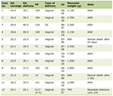 Click to view |
Table 1. Sociodemographic Characteristics of
the Participants (N = 367)a |
Clinical characteristics of participants
Clinical characteristics of the sample are shown in Table 2. According to the TCSS scores, at the moment of the examination, 33.5% (n = 367, 95% confidence interval (CI): 28.9-38.5%) of participants had scores that indicate the presence of DPN. This neuropathy was classified as mild in 17.2% (95% CI: 13.7-21.4%), moderate in 9.3% (95% CI: 6.7-12.7%), and severe in 7.1% (95% CI: 4.9-10.2%) of participants. Among all participants who showed signs of neuropathy, only one reported DPN as a previously known comorbidity. In contrast, two participants who reported having neuropathy were classified as not having signs of neuropathy according to the TCSS.
Click to view |
Table 2. Clinical Characteristics of the
Participants (N = 367)a |
The mean duration of diabetes was 12 (SD 9.5) years. Furthermore, participants reported on average having 2.8 (SD 1.5) annual medical consultations to follow-up on their diabetes, while the average number of reported foot examinations per year was 0.3 (SD 1.2). The most frequently reported treatment for diabetes was oral antidiabetics, reported by 89.6% of participants, with 76.8% reporting metformin use. Only 30.8% of participants reported using insulin.
Participants with DPN had statistically significant longer duration of diabetes (14.8 ± 10.1 vs. 10.6 ± 8.8 years, P < 0.001) and higher prevalence of insulin use (48% vs. 22.1%, P < 0.001). Moreover, those with DPN presented statistically higher values of HbA1c (8.3±1.9% vs. 7.4±1.8%, P < 0.001), fasting glucose (158.4 ± 68.7 vs. 133.4 ± 42.3, P = 0.003), vitamin B12 (575.6 ± 355.7 vs. 503.4 ± 295.6, P = 0.035), and systolic blood pressure (135 ± 35 vs. 130 ± 20, P = 0.027).
The prevalence of vitamin B12 deficiency was 4.5% (95% CI: 2.7-7%). However, no association was found between this deficiency and the presence of DPN (P > 0.05). On the other hand, significant differences were found in B12 levels between participants who used and did not use metformin, with higher levels observed in those who did not use it (583.9 ± 297.3 vs. 510.6 ± 323.0, P = 0.008). Additionally, all participants who presented vitamin B12 deficiency reported using metformin (P = 0.029).
Factors associated with the presence of diabetic neuropathy
The results of the logistic regression model are shown in Table 3. The model shows that the variables that remained significantly associated with the presence of DPN were age (odds ratio (OR): 1.02, 95% CI: 1.006 - 1.048), chronic kidney disease (CKD) (OR: 10.39, 95% CI: 1.14 - 95.03), and CVA (OR: 3.55, 95% CI: 1.02 - 12.39).
Click to view |
Table 3. Logistic Regression Model for the
Presence of Diabetic Peripheral Neuropathy |
HRQoL
Table 4 shows the SF-36 scores for all its dimensions of HrQoL. In general, the lowest score was seen in both the PCS and MCS scores, while the social function dimension had the highest score. In general, patients with DPN had significantly lower scores in all dimensions related to physical health (PCS, physical functioning, physical role limitations, bodily pain, general health, P < 0.05) and also in the vitality dimension (P = 0.003).
Click to view |
Table 4. SF-36 Scores by Dimension (N =
367)a |
Results of multiple linear regression models for each summary score of the SF-36 are shown in Table 5. Being of the male sex was the only variable that had a positive correlation with a higher PCS score (β: 3.6, 95% CI: 1.9 - 5.2). In contrast, the following variables were associated with a lower PCS score: age (β: -0.14, 95% CI: -0.2 to -0.068), total number of comorbidities (β: -1.26, 95% CI: -2.12 to -0.4), and the presence of DPN (β: -5.5, 95% CI: -7.3 to -3.8).
Click to view |
Table 5. Multiple Linear Regression Models for
the Composite Quality of Life Scores of the SF-36 |
Regarding MCS scores, the factors associated with a higher score were age (β: 0.18, 95% CI: 0.08 - 0.27) and male sex (β: 4.12, 95% CI: 1.92 - 6.32). In contrast, the only factor associated with a lower MCS score was being widowed (β: -6.71, 95% CI: -10.89 to -2.537) compared to being single.
| Discussion | ▴Top |
The prevalence of DPN varies greatly depending on the studied population. In the present study, its prevalence was of 33.5%, which could be considered as a high prevalence as it is near the upper limit reported in the scientific literature [22]. Similar to previous studies, DPN was more prevalent in older participants and in those that reported having microvascular complications like CKD [23, 24]. The high prevalence of DPN is clinically important, as there is evidence that this condition is an independent risk factor in patients with diabetes for the development of CVA and can also lead to diabetic foot ulcers and lower limb amputations [25, 26].
It is worrisome that despite its high prevalence, participants reported a low frequency of foot examinations (less than 1 per year) and almost none of them knew they had the condition. This is suggestive of a lack of focus on prevention in the healthcare services received by patients with diabetes. These findings are in accordance with a recent study carried out in five diabetic foot clinics in the Dominican Republic where the majority of patients had advanced stages of diabetic foot and only a few of them assisted for preventive services [27]. It is important to mention that international guidelines recommend that patients with diabetes undergo at least one foot evaluation per year [28].
In contrast with previous research, no association was found between the presence of DPN and vitamin B12 deficiency and dyslipidemia [23, 29]. Our findings were similar to a previous study, where patients with DPN had higher vitamin B12 levels [30]. This finding could be related to the low prevalence of vitamin B12 deficiency which might affect the statistical power to find this association, as this deficiency has lowered as large-scale food fortifications initiatives have been implemented in the Dominican Republic [31].
As expected, participants with DPN had higher levels of HbA1c, fasting blood glucose, and creatinine, which can be interpreted as poor metabolic control [32, 33]. Moreover, the fact that these participants reported a higher use of insulin is also in agreement with this statement [34].
It is important to point out the fact that the condition most strongly associated with DPN in the regression model was CKD. This association has been reported in multiple previous studies and, since both pathologies share a similar physiopathological mechanism, it is understood that they can both develop simultaneously [24, 35]. On the other hand, diabetic retinopathy, which is also a microvascular complication, did not show a significant association with DPN, in contrast to what has been previously reported [36, 37]. However, diabetic retinopathy was very close to the statistical significance threshold (P = 0.056) and had the second largest effect size in the logistic regression model (OR = 5.1), which suggest that there is a possible association even though P-value significance threshold was not reached. Furthermore, it is possible that many patients with retinopathy still are not aware they have the condition.
The prevalence of vitamin B12 deficiency found in this study (4.5) is consistent with the findings of previous studies, which report a prevalence of this deficiency in Latin America between 2.5% and 35% [38]. Furthermore, participants that used metformin were more frequently deficient as previously reported [17, 39]. However, in contrast with previous findings, an association between vitamin B12 deficiency and age could not be found in the present study [38]. However, it is possible that the low prevalence in the study’s sample is limiting the statistical power to find this association.
HRQoL
The presence of DPN significantly affected multiple dimensions of the self-reported HRQoL of participants as previously reported. Previous studies report a global negative effect in QoL for all physical and mental health dimensions of the SF-36 [40, 41]. In contrast, in the present study, the only dimension related to mental health that was affected was the vitality dimension. The lack of self-reported affection of mental health dimensions in the study sample might be due to cultural differences and the stigmatization of mental health problems in the Dominican Republic [42]. Other authors suggest that it is possible that the SF-36 underestimates the impact on mental health of this condition [41].
Male participants reported significantly higher scores in all SF-36 dimensions. This is similar to the findings of several previous studies where male participants had higher scores in multiple QoL dimensions [27, 40, 43]. It is possible that these differences are consequence of intrinsic biological and social differences, or also due to differences in socioeconomic status [44, 45].
Furthermore, participants’ age was significantly associated with PCS and MCS dimensions as has also been previously reported [46, 47]. However, in contrast with previous studies, in the present study, age was associated with higher score in the MCS dimension. It is possible that this is a consequence of the recent rise of the burden of mental health conditions in young Dominican adults [48].
Being widowed was another social factor associated with lower scores in the MCS dimension (compared to being single). Comparably, other authors previously reported lower mental health scores in divorced and widowed participants. These authors hypothesize that this could be due to a lack of emotional support and social isolation [40].
Lastly, there was an inverse correlation between the total number of comorbidities and the PCS score. Similar findings have been reported multiple times, where the more comorbidities a participant had the lower their QoL scores in physical and even in emotional/mental dimensions [49, 50]. Interestingly, in the present study, the number of comorbidities did not affect the MCS dimension, which is similar to the findings of recent study carried out with patients with diabetes and polyneuropathy [51].
Limitations
The main limitation of the present study is that it was only carried out within two regions of the country with the use of convenience sample. This makes it difficult to extrapolate its findings to other regions of the country. Another important limitation was the lack of complete metabolic parameters in medical records of the participants, which limits the statistical power of the inferences that can be drawn from these variables and their integration to regression models. Lastly, there was slow recruitment speed due to the large amount of exclusion criteria which impeded reaching the target sample size of 385 participants.
Despite these limitations, the present study has several strengths. The sample size of 367 participants is still significant, allowing to estimate DPN prevalence with a 5% margin of error, considering that the real population prevalence of DPN is most likely less than 50%. To the authors’ knowledge, this is the first research study that objectively calculates the prevalence of DPN and evaluates its impact on HRQoL and association with vitamin B12 levels in the Dominican population.
Conclusions
There is a high prevalence of DPN and low patient awareness of the condition. The factors most strongly associated with the presence of DPN were past medical history of CKD, CVA, and age, while vitamin B12 deficiency was uncommon and no association was found with the presence of DPN. The presence of DPN had a negative impact in all QoL dimensions related to physical health and the vitality dimension, meanwhile vitamin B12 showed no effects on QoL. These findings underscore the need for awareness and prevention interventions for both patients and healthcare professionals, as well as more research that evaluate the impact of vitamin B12 deficiency on DPN and HRQoL.
Acknowledgments
The authors acknowledge and are deeply grateful with Dr. Pedro Mena, Dr. Magdy Burgos, and Dr. Niobis Encarnacion for providing specialist training for the evaluation of DPN to the data collectors of the study. Furthermore, the authors acknowledge and are thankful to Dr. Deivy Varela, Dr. Nicole Santana, Dr. Katilenia Caraballo, Dr. Raquel Olivares, Dr. Yaskenny de los Santos, and Dr. Jahnna Cueto for their collaboration with the recruitment of participants and with the data collection.
Financial Disclosure
This research study was funded by Procter & Gamble (P&G). The sponsor had no involvement in the study design, collection, analysis or interpretation of the data.
Conflict of Interest
The authors declare that they have no competing financial or competing interests with the execution or publication of this research study.
Informed Consent
All participants gave their informed consent prior to their participation in the study.
Author Contributions
Berniza Calderon: conceptualization, methodology, funding acquisition, supervision, and writing - review and editing. Manuel Soto: conceptualization, methodology, project administration, formal analysis, validation, visualization, writing - original draft, and writing - review and editing. Nadja Garcia: investigation, project administration, and writing - original draft. Sahel Ghazanfari: investigation, data curation, and writing - original draft. Janet Velez: investigation, validation, and writing - review and editing. Sherezade Hasbun: funding acquisition, investigation, and writing - review and editing.
Data Availability
Any inquiries regarding supporting data availability of this study should be directed to the corresponding author.
Abbreviations
ADA: American Diabetes Association; BMI: body mass index; CI: confidence interval; CKD: chronic kidney disease; CONABIOS: Consejo Nacional de Bioetica en Salud; CVA: cerebrovascular accident; DM: diabetes mellitus; DPN: diabetic peripheral neuropathy; HbA1c: hemoglobin A1c; HDL: high-density lipoprotein; HRQoL: health-related quality of life; INTEC: Instituto Tecnologico de Santo Domingo; LDL: low-density lipoprotein; MCS: Mental Component Summary; OLS: ordinary least squares; OR: odds ratio; PCS: Physical Component Summary; QEIA: quantitative enzyme immunoassay; QoL: quality of life; SD: standard deviation; SF-36: 36-Item Short Form Health Survey; SODENN: Sociedad Dominicana de Endocrinologia y Nutricion; TCSS: Toronto Clinical Scoring System; T2DM: type 2 diabetes mellitus; TSH: thyroid-stimulating hormone; UNIBE: Universidad Iberoamericana
| References | ▴Top |
- Magliano DJ, Boyko EJ. In: IDF DIABETES ATLAS. 10th ed. Brussels.
2021.
pubmed - Instituto Nacional de la Diabetes (INDEN). INDEN y UNIBE presentan estadisticas de diabetes en la poblacion dominicana [Internet]. 2013 [cited Mar 28, 2025]. Available from: https://inden.do/inden-y-unibe-presentan-estadisticas-de-diabetes-en-la-poblacion-dominicana/.
- Listin Diario. listindiario.com. 2023 [cited Mar 28, 2025]. El 13.7% de la poblacion dominicana sufre de diabetes. Available from: https://listindiario.com/la-republica/sector-salud/20231114/13-7-poblacion-dominicana-sufre-diabetes_782597.html.
- Farmaki P, Damaskos C, Garmpis N, Garmpi A, Savvanis S, Diamantis E.
Complications of the type 2 diabetes mellitus. Curr Cardiol Rev. 2020;16(4):249-251.
doi pubmed - Harding JL, Pavkov ME, Magliano DJ, Shaw JE, Gregg EW. Global trends
in diabetes complications: a review of current evidence. Diabetologia. 2019;62(1):3-16.
doi pubmed - Kelly RC, Holt RIG, Desborough L, Majidi S, Town M, Naranjo D, Messer
L, et al. The psychosocial burdens of living with diabetes. Diabet Med.
2024;41(3):e15219.
doi pubmed - Wu J, Ward E, Threatt T, Lu ZK. Progression to type 2 diabetes and
its effect on health care costs in low-income and insured patients with prediabetes: a
retrospective study using medicaid claims data. J Manag Care Spec Pharm.
2017;23(3):309-316.
doi pubmed - Organizacion Panamericana de la Salud. Perfiles nacionales de carga de enfermedad por diabetes 2023 [Internet]. 2023. Available from: https://iris.paho.org/bitstream/handle/10665.2/57840/OPSNMHNV230009_spa.pdf?sequence=1&isAllowed=y.
- Hicks CW, Selvin E. Epidemiology of peripheral neuropathy and lower
extremity disease in diabetes. Curr Diab Rep. 2019;19(10):86.
doi pubmed - Yovera-Aldana M, Velasquez-Rimachi V, Huerta-Rosario A, More-Yupanqui
MD, Osores-Flores M, Espinoza R, Gil-Olivares F, et al. Prevalence and incidence of diabetic
peripheral neuropathy in Latin America and the Caribbean: A systematic review and meta-analysis.
PLoS One. 2021;16(5):e0251642.
doi pubmed - Selvarajah D, Kar D, Khunti K, Davies MJ, Scott AR, Walker J, Tesfaye
S. Diabetic peripheral neuropathy: advances in diagnosis and strategies for screening and early
intervention. Lancet Diabetes Endocrinol. 2019;7(12):938-948.
doi pubmed - Volmer-Thole M, Lobmann R. Neuropathy and Diabetic Foot Syndrome.
Int J Mol Sci. 2016;17(6):917.
doi pubmed - Bodman MA, Dreyer MA, Varacallo MA. Diabetic Peripheral Neuropathy.
In: StatPearls. Treasure Island (FL) ineligible companies. 2025.
pubmed - Argoff CE, Cole BE, Fishbain DA, Irving GA. Diabetic peripheral
neuropathic pain: clinical and quality-of-life issues. Mayo Clin Proc. 2006;81(4
Suppl):S3-11.
doi pubmed - Degu H, Wondimagegnehu A, Yifru YM, Belachew A. Is health related
quality of life influenced by diabetic neuropathic pain among type II diabetes mellitus patients
in Ethiopia? PLoS One. 2019;14(2):e0211449.
doi pubmed - Khan PDMRN, Umair DM, Hussain DW, Inam-u-llah, Rahman M, Khawar S, et al. Exploring the relationship between vitamin B12 deficiency and diabetic neuropathy: a cross-sectional study investigating potential interventions. J Popul Ther Clin Pharmacol. 2024;31(2):2224-2232.
- Alvarez M, Sierra OR, Saavedra G, Moreno S. Vitamin B12 deficiency
and diabetic neuropathy in patients taking metformin: a cross-sectional study. Endocr Connect.
2019;8(10):1324-1329.
doi pubmed - Didangelos T, Karlafti E, Kotzakioulafi E, Margariti E, Giannoulaki
P, Batanis G, Tesfaye S, et al. Vitamin B12 supplementation in diabetic neuropathy: a 1-year,
randomized, double-blind, placebo-controlled trial. Nutrients. 2021;13(2):395.
doi pubmed - Karedath J, Batool S, Arshad A, Khalique S, Raja S, Lal B, Anirudh
Chunchu V, et al. The impact of vitamin B12 supplementation on clinical outcomes in patients
with diabetic neuropathy: a meta-analysis of randomized controlled trials. Cureus.
2022;14(11):e31783.
doi pubmed - Liu F, Mao JP, Yan X. [Toronto clinical scoring system in diabetic
peripheral neuropathy]. Zhong Nan Da Xue Xue Bao Yi Xue Ban. 2008;33(12):1137-1141.
pubmed - Nair R, Kachan P. Outcome tools for diabetes-specific quality of
life: Study performed in a private family practice clinic. Can Fam Physician.
2017;63(6):e310-e315.
pubmed - Chicharro-Luna E, Pomares-Gomez FJ, Ortega-Avila AB, Cohena-Jimenez
M, Gijon-Nogueron G. Variability in the clinical diagnosis of diabetic peripheral neuropathy.
Prim Care Diabetes. 2020;14(1):53-60.
doi pubmed - Amour AA, Chamba N, Kayandabila J, Lyaruu IA, Marieke D, Shao ER,
Howlett W. Prevalence, patterns, and factors associated with peripheral neuropathies among
diabetic patients at Tertiary Hospital in the Kilimanjaro region: descriptive cross-sectional
study from North-Eastern Tanzania. Int J Endocrinol. 2019;2019:5404781.
doi pubmed - Nabrdalik K, Kwiendacz H, Moos J, Moos L, Kulpa J, Brzoza Z, Stompor
T, et al. Diabetic peripheral neuropathy is associated with diabetic kidney disease and
cardiovascular disease: the Silesia Diabetes-Heart project. Curr Probl Cardiol.
2023;48(8):101726.
doi pubmed - Brownrigg JR, de Lusignan S, McGovern A, Hughes C, Thompson MM, Ray
KK, Hinchliffe RJ. Peripheral neuropathy and the risk of cardiovascular events in type 2
diabetes mellitus. Heart. 2014;100(23):1837-1843.
doi pubmed - Chung JO, Cho DH, Chung DJ, Chung MY. Association between diabetic
polyneuropathy and cardiovascular complications in type 2 diabetic patients. Diabetes
Metab J. 2011;35(4):390-396.
doi pubmed - Calderon B, Soto M, Beltre A. Factors associated with quality of life and functional capacity in patients with diabetic foot in the Dominican Republic. Endocr Metab Sci. 2024;16:100203.
- Song K, Chambers AR. Diabetic Foot Care. In: StatPearls. Treasure
Island (FL) ineligible companies. 2025.
pubmed - Serhiyenko VA, Markevych MY, Sehin VB, Serhiyenko AA. Vitamin B12 and diabetic neuropathies. Int J Endocrinol Ukr. 2024;20(7):481-490.
- Noorjahan M, Madhavi K, Priscilla C, Jabeen SA. Vitamin B12 and holotranscobalamin levels in diabetic peripheral neuropathy patients. Indian journal of Medical Biochemistry. 2016;20(1):16-20.
- Osendarp SJM, Martinez H, Garrett GS, Neufeld LM, De-Regil LM,
Vossenaar M, Darnton-Hill I. Large-scale food fortification and biofortification in low- and
middle-income countries: a review of programs, trends, challenges, and evidence gaps. Food Nutr
Bull. 2018;39(2):315-331.
doi pubmed - Carral F, Tome M, Fernandez JJ, Pinero A, Exposito C, Jimenez AI,
Garcia C, et al. The presence of microvascular complications is associated with a poor evolution
of metabolic control in patients with type 1 diabetes mellitus. Endocrinol Diabetes Nutr (Engl
Ed). 2021;68(6):389-397.
doi pubmed - Reusch JE. Diabetes, microvascular complications, and cardiovascular
complications: what is it about glucose? J Clin Invest. 2003;112(7):986-988.
doi pubmed - Cobble ME. Initiating and intensifying insulin therapy for type 2
diabetes: why, when, and how. Am J Ther. 2009;16(1):56-64.
doi pubmed - Pop-Busui R, Roberts L, Pennathur S, Kretzler M, Brosius FC, Feldman
EL. The management of diabetic neuropathy in CKD. Am J Kidney Dis.
2010;55(2):365-385.
doi pubmed - Hafeez M, Achar P, Neeralagi M, Naik GT. Correlation between diabetic
retinopathy and diabetic peripheral neuropathy in patients with type II diabetes mellitus.
J Pharm Bioallied Sci. 2022;14(Suppl 1):S658-S661.
doi pubmed - Rasheed R, Pillai GS, Kumar H, Shajan AT, Radhakrishnan N, Ravindran
GC. Relationship between diabetic retinopathy and diabetic peripheral neuropathy -
Neurodegenerative and microvascular changes. Indian J Ophthalmol.
2021;69(11):3370-3375.
doi pubmed - Vargas-Uricoechea H, Nogueira JP, Pinzon-Fernandez MV, Agredo-Delgado
V, Vargas-Sierra HD. Population status of vitamin B12 values in the general population and in
individuals with type 2 diabetes, in Southwestern Colombia. Nutrients. 2023;15(10):2357.
doi pubmed - Sayedali E, Yalin AE, Yalin S. Association between metformin and
vitamin B12 deficiency in patients with type 2 diabetes. World J Diabetes.
2023;14(5):585-593.
doi pubmed - Levterova B, Naydenov V, Todorov Pl, Levterov G. Prevalence and impact of peripheral neuropathy on quality of life in patients with diabetes mellitus: pilot study. Trakia J Sci. 2018;16(Suppl.1):71-76.
- Wukich DK, Raspovic KM. Assessing health-related quality of life in patients with diabetic foot disease: Why is it important and how can we improve? The 2017 Roger E. Pecoraro Award Lecture. Diabetes Care. 2018;41(3):391-397.
- Akbar M. Mental and Emotional Health in the Dominican Republic. In: Rich GJ, Ramkumar NA, editors. Psychology in Oceania and the Caribbean [Internet]. Cham: Springer International Publishing; 2022. p. 233-243. (International and Cultural Psychology). Available from: https://link.springer.com/10.1007/978-3-030-87763-7_16.
- Alrub AA, Hyassat D, Khader YS, Bani-Mustafa R, Younes N, Ajlouni K. Factors associated with health-related quality of life among Jordanian patients with diabetic foot ulcer. J Diabetes Res. 2019;2019:1-8.
- Guallar-Castillon P, Sendino AR, Banegas JR, Lopez-Garcia E,
Rodriguez-Artalejo F. Differences in quality of life between women and men in the older
population of Spain. Soc Sci Med. 2005;60(6):1229-1240.
doi pubmed - Cherepanov D, Palta M, Fryback DG, Robert SA. Gender differences in
health-related quality-of-life are partly explained by sociodemographic and socioeconomic
variation between adult men and women in the US: evidence from four US nationally representative
data sets. Qual Life Res. 2010;19(8):1115-1124.
doi pubmed - Esubalew H, Belachew A, Seid Y, Wondmagegn H, Temesgen K, Ayele T.
Health-related quality of life among type 2 diabetes mellitus patients using the 36-Item Short
Form Health Survey (SF-36) in central ethiopia: a multicenter study. Diabetes Metab Syndr Obes.
2024;17:1039-1049.
doi pubmed - Al-Ibrahimy AS, Rabea IS. Evaluation of general health status in
diabetic patients using short form health survey (SF-36). Curr Diabetes Rev.
2023;19(9):e081420184858.
doi pubmed - Pan American Health Organization. The burden of mental health disorders in the americas: country profile. Dominican Republic [Internet]. 2020. Available from: https://www.paho.org/sites/default/files/2020-09/MentalHealth-profile-2020%20Dominican%20Republic_Country_Report_Final.pdf.
- Biedron G, Wilk M, Nowakowski J, Kuszmiersz P, Gula Z, Strach M,
Brkic A, et al. Impact of comorbidities on patient-reported outcomes in psoriatic arthritis: a
single centre cohort study. Rheumatol Int. 2024;44(8):1435-1443.
doi pubmed - Geryk LL, Carpenter DM, Blalock SJ, DeVellis RF, Jordan JM. The
impact of co-morbidity on health-related quality of life in rheumatoid arthritis and
osteoarthritis patients. Clin Exp Rheumatol. 2015;33(3):366-374.
pubmed - Wegeberg AL, Meldgaard T, Hyldahl S, Jakobsen PE, Drewes AM, Brock B,
Brock C. Quantities of comorbidities affects physical, but not mental health related quality of
life in type 1 diabetes with confirmed polyneuropathy. World J Diabetes.
2019;10(2):87-95.
doi pubmed
This
article is distributed under the terms of the Creative Commons Attribution Non-Commercial 4.0
International License, which permits unrestricted non-commercial use, distribution, and
reproduction in any medium, provided the original work is properly cited.
Journal
of Endocrinology and Metabolism is published by Elmer Press Inc.