| Journal of Endocrinology and Metabolism, ISSN 1923-2861 print, 1923-287X online, Open Access |
| Article copyright, the authors; Journal compilation copyright, J Endocrinol Metab and Elmer Press Inc |
| Journal website https://jem.elmerpub.com |
Original Article
Volume 16, Number 1, February 2026, pages 15-21

Association Between Tirzepatide Therapy and Thyroid Function in Euthyroid Patients With Obesity
Yusuf Elmaa, c  , Omercan Topaloglub
aDepartment of Medical Pharmacology, Faculty of Medicine, Zonguldak Bulent Ecevit
University, Zonguldak, Turkey
bDepartment of Endocrinology and Metabolism,
Faculty of Medicine, Zonguldak Bulent Ecevit University, Zonguldak,
Turkey
cCorresponding Author: Yusuf Elma, Department of Medical Pharmacology,
Faculty of Medicine, Zonguldak Bulent Ecevit University, Zonguldak, Turkey
Manuscript submitted December 28, 2025, accepted February 6, 2026, published online February 25,
2026
Short title: Tirzepatide and Thyroid Function in Obesity
doi:
https://doi.org/10.14740/jem1617
| Abstract | ▴Top |
Background: Tirzepatide, a dual glucagon-like peptide-1/glucose-dependent insulinotropic polypeptide receptor agonist, effectively reduces weight and improves metabolic parameters in obesity. Its effects on thyroid function, particularly thyroid-stimulating hormone (TSH) and free thyroxine (fT4), in euthyroid patients are unclear. This study aimed to evaluate changes in thyroid function, along with anthropometric, glycemic, and lipid profiles in euthyroid adults with obesity after 1 month of tirzepatide therapy.
Methods: In this single-center retrospective observational study, 38 euthyroid adults with obesity were evaluated after initiation of tirzepatide therapy. Exclusion criteria included prior thyroid disease or use of medications affecting thyroid function. Baseline and 1-month follow-up measurements included TSH, fT4, and selected metabolic parameters. Statistical analyses were performed using suitable parametric or non-parametric methods for within-group comparisons, with categorical variables analyzed via Chi-square tests. Correlation analyses were conducted to evaluate associations between variables. A P value of less than 0.05 was considered statistically significant.
Results: After 1 month of therapy, body weight, body mass index, fasting blood glucose, low-density lipoprotein, triglycerides, and total cholesterol decreased significantly. TSH decreased and fT4 increased significantly, with both remaining within the euthyroid range.
Conclusions: In this short-term retrospective analysis, tirzepatide therapy in euthyroid adults with obesity was associated with modest but statistically significant changes in TSH and fT4 levels, both of which remained within the established euthyroid reference range. These findings represent early biochemical observations and should be considered hypothesis-generating. Further prospective studies with longer follow-up are required to determine the clinical relevance of these changes.
Keywords: GLP-1/GIP receptor agonist; Metabolism; Obesity management medication; Weight loss
| Introduction | ▴Top |
Obesity is a global health problem, closely associated with metabolic disturbances such as insulin resistance, dyslipidemia, and increased cardiovascular risk [1]. Beyond these well-recognized metabolic implications, obesity can subtly influence thyroid function, even in patients who are otherwise euthyroid [2]. Similarly, a preclinical rat study has indicated that obesity may alter thyroid function even in metabolically healthy animals [3]. In individuals with obesity, thyroid-stimulating hormone (TSH) tends to rise modestly with increasing body mass index (BMI), particularly in females, while free thyroxine (fT4) shows only minor variations [4].
Tirzepatide, a novel dual agonist of glucagon-like peptide-1 (GLP-1) and glucose-dependent insulinotropic polypeptide (GIP) receptors, has recently emerged as a potent obesity management medication [5]. While the effects of GLP-1 receptor agonists on TSH have been documented, the impact of tirzepatide, particularly on fT4, in euthyroid adults with obesity has not been systematically studied. Existing literature on GLP-1 receptor agonists indicates that TSH reductions are largely driven by weight loss. Capuccio et al concluded that body weight (BW) reduction is the primary factor influencing TSH decreases [6]. Tee et al similarly reported TSH reduction with exenatide in patients with diabetes or obesity, while fT4 remained stable [7].
Although prior studies have examined thyroid function in response to GLP-1 agonists, most have focused on diabetic or hypothyroid populations. Given the limited available data on the effects of dual GLP-1/GIP receptor agonists on thyroid function in euthyroid, non-diabetic individuals with obesity, the present study was designed as an exploratory, hypothesis-generating analysis. The primary aim was to descriptively evaluate early changes in TSH and fT4 levels after 1 month of tirzepatide therapy, alongside anthropometric and metabolic parameters.
| Materials and Methods | ▴Top |
Study design and participants
The study protocol was conducted in accordance with the principles of the Declaration of Helsinki. Ethical approval for this study was obtained from the Ethics Committee of Zonguldak Bulent Ecevit University (approval number: 2025/17-4). Written informed consent was obtained from all participants. This single-center and retrospective study included patients diagnosed with obesity (BMI ≥ 30 kg/m2) who were prescribed tirzepatide for weight management at a single endocrinology center. Patients were included if they had complete anthropometric and laboratory data before and after 1 month of treatment. Those with a history of type 1 or type 2 diabetes, thyroid disease, active malignancy, or use of medications affecting thyroid function were excluded from the study.
Treatment protocol
Patients received tirzepatide at a dose of 2.5 mg as a subcutaneous injection once weekly for 1 month, in accordance with clinical guidelines. Lifestyle and dietary recommendations were provided alongside pharmacological therapy. No other interventions affecting thyroid function were introduced during the study period.
Data collection
Eligible participants were adult patients with obesity who had not previously used GLP-1/GIP receptor agonists and were initiating tirzepatide therapy for the first time. All patients were biochemically euthyroid at baseline and had no history of thyroid dysfunction or other exclusion criteria. Baseline demographic data, including age, sex, and height, were recorded. Anthropometric parameters (BW (kg), height (cm), BMI (kg/m2)), glycemic markers (fasting blood glucose (mg/dL), glycated hemoglobin (HbA1c, %)), thyroid function tests (TSH (mIU/L), fT4 (ng/dL)), and lipid parameters (low-density lipoprotein (LDL, mg/dL), high-density lipoprotein (HDL, mg/dL), triglycerides (mg/dL), total cholesterol (mg/dL)) were measured at baseline and after 1 month of treatment (shown as baseline and final in the tables, with participants categorized as group A: < 5% weight loss, group B: ≥ 5% weight loss). Changes in these parameters were calculated as the difference between final and baseline values (i.e., final minus baseline). Blood samples were obtained after overnight fasting.
BMI measurement was performed using the Tanita BC 418 device (Tanita Corp., Tokyo, Japan). Fasting blood glucose, HbA1c, TSH, fT4, LDL, HDL, triglycerides, and total cholesterol were assessed by Cobas Roche Elecsys 600 (Roche Diagnostics GmbH, Mannheim, Germany). The reference intervals for thyroid function tests were defined according to the values established by the central laboratory of our hospital. The normal range for TSH was 0.3–5.6 mIU/L, and for fT4 was 0.6–1.1 ng/dL.
Statistical analysis
Data were analyzed using Jamovi 2.3.21 (Computer Software, Sydney, Australia). The normality of continuous variables was assessed with the Shapiro–Wilk test. Variables with normal distribution were expressed as mean ± standard deviation, while non-normally distributed variables were presented as median (min–max). Comparisons between pre- and post-treatment values were performed using paired samples t-test for normally distributed data and Wilcoxon signed-rank test for non-normal data. Independent groups were compared using independent samples t-test or Mann–Whitney U test. Categorical variables were analyzed using the Chi-square test to assess associations between categorical groups. Correlations between variables were analyzed using Pearson’s or Spearman’s correlation coefficients. A P value < 0.05 was considered statistically significant. Effect sizes (Cohen’s d) with 95% confidence intervals were calculated for all continuous variables to quantify the magnitude of changes. These were interpreted based on the “absolute value of Cohen’s d” as negligible (< 0.2), small (0.2 ≤ d < 0.5), medium (0.5 ≤ d < 0.8), and large (≥ 0.8). Negative values indicate reductions after treatment, while positive values indicate increases. Given the exploratory nature of this retrospective study, no formal adjustment for multiple comparisons was applied. Therefore, the results should be interpreted with caution, particularly with regard to subgroup and correlation analyses, which were not powered to establish definitive causal associations.
| Results | ▴Top |
A total of 38 euthyroid patients with obesity were included in the study. Baseline demographic, anthropometric, and laboratory characteristics of the study population are summarized in Table 1. The mean age was 38.03 ± 10.83 years, with a female predominance (28/38). The mean baseline BW and BMI were 100.69 ± 16.94 kg and 36.31 ± 4.74 kg/m2, respectively. Baseline and final values of BW, BMI, TSH, fT4, fasting blood glucose, HbA1c, and lipid parameters did not differ significantly between group A and group B (all P > 0.05) (Table 1).
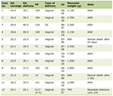 Click to view |
Table 1. Baseline Demographic, Body
Measurements, and Laboratory Characteristics of the Study Population and
Comparison of Body Measurements and Thyroid Parameters According to Weight Loss
Category (< 5% vs. > 5%) |
After 1 month of treatment, significant reductions in BW (–5.75 ± 3.11 kg, P < 0.001) and BMI (–1.69 ± 1.18 kg/m2, P < 0.001) were observed with large effect sizes (d = –1.85, d = –1.69, respectively). Fasting blood glucose decreased significantly (91.92 ± 10.17 mg/dL vs. 84.92 ± 8.21 mg/dL, P < 0.001, d = –0.72), whereas HbA1c showed a non-significant reduction (5.65 (3.7–6.4)% vs. 5.5 (3.6–6.3)%, P = 0.10, d = –0.25), representing a small effect. Analysis of the lipid profile revealed significant decreases in LDL (P < 0.001, d = –0.69), triglycerides (P = 0.001, d = –0.55), and total cholesterol (P < 0.001, d = –0.76), while changes in HDL were not significant (P = 0.185, d = –0.22). Thyroid function parameters showed significant changes within the euthyroid range. Mean TSH decreased from 2.66 ± 1.45 µIU/mL to 2.12 ± 1.28 µIU/mL (P = 0.001, d = –0.61), and mean fT4 increased from 0.75 ± 0.11 ng/dL to 0.86 ± 0.10 ng/dL (P < 0.001, d = 0.77). For all parameters, 95% confidence intervals of the effect sizes were provided (Table 2).
Click to view |
Table 2. Changes in Body Measurements, Glycemic
Markers, Lipid Profile, and Thyroid Function Parameters Before and After 1 Month
of Treatment |
Cross-tabulation analyses indicated no significant association between TSH changes and alterations in fT4, BW, BMI, or weight loss groups (group A and group B) (all P > 0.05). Similarly, fT4 changes were not significantly associated with TSH change, BW, BMI, or weight loss groups (all P > 0.05) (Table 3).
Click to view |
Table 3. Cross-Tabulation of Changes in TSH
Levels According to Changes in fT4, BW, Percent Weight, and BMI |
Correlation analysis demonstrated that greater reductions in TSH were observed in patients with higher baseline TSH levels (r = –0.571, P < 0.001). Increases in fT4 were more pronounced in patients with larger weight loss (r = –0.327, P = 0.045) and greater BMI reduction (r = –0.358, P = 0.027). Additionally, patients with lower baseline fT4 experienced more pronounced increases in fT4 (r = –0.499, P = 0.001), whereas higher final fT4 levels were positively correlated with the magnitude of fT4 increase (r = 0.605, P < 0.001) (Table 4).
Click to view |
Table 4. Correlation Analysis Between Changes
in TSH and fT4 Levels and Clinical Parameters |
Although these changes reached statistical significance, the absolute magnitudes were modest and all thyroid hormone values remained within the reference euthyroid range.
| Discussion | ▴Top |
The present study demonstrates that short-term tirzepatide treatment in euthyroid adults with obesity is associated with a significant reduction in TSH and a concomitant increase in fT4 within the first month of therapy. These findings indicate early changes in thyroid hormone parameters occurring alongside improvements in glycemic and lipid profiles. The observed decline in TSH aligns with previous GLP-1 receptor agonist studies, whereas the increase in fT4 in the present study is particularly noteworthy, as earlier studies generally report stability or slight decreases in fT4 during short-term therapy [6, 7]. This suggests that tirzepatide may be associated with distinct thyroid hormone patterns compared with other GLP-1 receptor agonists.
In addition to these thyroidal changes, significant reductions in BW, BMI, fasting blood glucose, LDL, triglycerides, and total cholesterol were observed, whereas HbA1c and HDL levels remained largely unchanged. Rather than representing isolated effects, these findings indicate that early metabolic improvements with tirzepatide occur alongside alterations in thyroid function, suggesting that endocrine and metabolic changes may occur in parallel during early tirzepatide treatment.
Correlation analyses provided additional insight into individual variability. A strong negative correlation between baseline TSH and TSH change indicated that participants with higher baseline TSH experienced greater reductions, consistent with regression toward the mean or enhanced responsiveness in those with baseline TSH variability. Greater reductions in BW and BMI were also associated with larger fT4 increases, suggesting that metabolic improvements may augment thyroidal responses. In addition, participants with lower baseline fT4 exhibited more pronounced increases. Furthermore, subgroup analyses did not reveal significant differences in TSH or fT4 changes between participants achieving < 5% versus ≥ 5% weight loss. These findings underscore the possibility that tirzepatide exerts effects on thyroid function independent of the magnitude of early weight reduction.
Rapid metabolic adaptations observed during tirzepatide treatment may be associated with changes in peripheral thyroid hormone regulation and hypothalamic–pituitary–thyroid (HPT) axis signaling. Weight loss, decreased leptin signaling, and altered feedback within the HPT axis can contribute to TSH reduction, whereas the observed increase in fT4 may reflect enhanced thyroid hormone secretion or reduced peripheral conversion of T4 to T3. Thus, these observations raise the possibility that both central and peripheral components of thyroid hormone regulation could be involved.
GLP-1 receptors are expressed in hypothalamic regions controlling TRH release, and tirzepatide’s dual GLP-1/GIP receptor activity may influence pituitary TSH secretion. This is consistent with modest increases in circulating fT4. This neuroendocrine effect is supported by a study showing that liraglutide, a GLP-1 agonist, acutely activates the hypothalamic–pituitary–adrenal (HPA) axis in rats, producing transient hormonal changes that vary according to metabolic status and are attenuated with repeated administration [8]. Similarly, acute administration of GLP-1 receptor agonists, such as exenatide, modestly stimulates the HPA axis while lowering blood glucose in healthy volunteers, supporting a direct central effect of GLP-1 analogs [9]. Further evidence comes from Ye et al, who reported that liraglutide significantly lowered TSH without altering fT4, suggesting that GLP-1 analogs may reduce TSH via pathways independent of peripheral thyroid hormone changes [10].
Additional modulators may include dynamic changes in thyroid hormone-binding proteins, deiodinase activity, and adipokine-mediated regulation of the HPT axis. In individuals with obesity, altered leptin, insulin, and inflammatory cytokine levels can influence TRH, TSH, and peripheral thyroid hormone metabolism. GLP-1 receptor agonists can also directly modulate TSH secretion via neuroendocrine pathways independent of weight loss [11, 12]. This is further supported by evidence of GLP-1 receptor expression in key human neuroendocrine regions and experimental findings demonstrating regulation of hypothalamic TRH neurons upon GLP-1 receptor activation [13, 14]. Tirzepatide-induced weight loss and improved insulin sensitivity may further modify these regulators, collectively favoring fT4 elevation and TSH suppression. It should be emphasized that these potential mechanisms remain speculative, as no direct markers of HPT axis activity, peripheral deiodinase function, thyroid autoimmunity, or thyroid hormone-binding proteins were assessed in the present study. Accordingly, mechanistic interpretations should be viewed as hypotheses rather than evidence-based conclusions.
From a clinical safety perspective, it is important to emphasize that despite statistically significant changes, all TSH and fT4 values remained within established euthyroid reference ranges, and no cases of overt or subclinical thyroid dysfunction were observed during the study period. The magnitude of hormonal changes was modest and did not translate into clinical symptoms or biochemical thresholds associated with thyroid disease. These findings suggest that short-term tirzepatide therapy does not appear to induce clinically relevant thyroid dysfunction in euthyroid individuals with obesity, at least within the first month of treatment.
Clinically, these observations may have potential significance. The rapid increase in fT4 and decline in TSH observed within 1 month indicate that tirzepatide can influence thyroid hormone dynamics early, alongside significant weight loss and improvements in glycemic and lipid parameters. Nevertheless, whether these early biochemical changes in thyroid function have clinical relevance or warrant routine monitoring during tirzepatide therapy should be evaluated in future prospective studies with longer follow-up and comprehensive thyroid assessments.
The findings of the present study partially align with previous literature. Kaylee Yu et al reported early TSH reduction without significant fT4 change in a small retrospective series of 17 hypothyroid patients on stable levothyroxine [15]. Okada et al described variable thyroid hormone changes in diabetic patients treated with tirzepatide [16]. The simultaneous decline in TSH and increase in fT4 observed in non-diabetic, euthyroid individuals with obesity suggests that short-term thyroid hormone dynamics may differ by population and may be more pronounced in those without pre-existing thyroid disease. Many earlier studies focused on diabetic populations, in which insulin resistance and chronic hyperglycemia may themselves alter thyroid hormone metabolism. Therefore, evaluation in euthyroid, non-diabetic individuals with obesity provides novel insight into the direct endocrine effects of tirzepatide.
Finally, the reduction in TSH and increase in fT4 may reflect a physiological response to shifts in energy balance. These findings also raise questions regarding potential long-term effects on thyroid function. Persistent changes could theoretically influence metabolism, cardiovascular risk, or predispose to subclinical thyroid dysfunction, though these outcomes remain speculative. Long-term prospective studies are needed to determine whether these early thyroid hormone changes are transient or sustained over the course of therapy.
Limitations
The study has limitations, including its small sample size and short follow-up duration. The absence of a control or comparator group limits causal inference, as observed changes cannot be definitively attributed to tirzepatide alone. Free T3, thyroid antibodies, thyroid binding proteins, and iodine status were not assessed, which could have provided additional mechanistic insight. Additional limitations include the potential for selection bias inherent to the retrospective single-center design. Residual confounding cannot be excluded, as dietary intake, caloric restriction, and changes in physical activity were not quantitatively assessed.
Conclusions
In euthyroid adults with obesity, 1 month of tirzepatide therapy was associated with a significant reduction in TSH and an increase in fT4, reflecting early biochemical changes in thyroid hormone dynamics. Importantly, all thyroid hormone values remained within the euthyroid reference range. These findings should be interpreted as hypothesis-generating, and further prospective studies with longer follow-up and comprehensive thyroid assessment are required to determine their clinical relevance.
Acknowledgments
None to declare.
Financial Disclosure
None to declare.
Conflict of Interest
The authors declare no conflict of interest.
Informed Consent
Written informed consent was obtained from all participants.
Author Contributions
YE: conceptualization, methodology, formal analysis, investigation, data curation, writing–original draft. OT: conceptualization, methodology, writing–review and editing. All authors read and approved the final manuscript.
Data Availability
All data used in this study are available from the corresponding author upon reasonable request.
| References | ▴Top |
- Bays HE, Kirkpatrick C, Maki KC, Toth PP, Morgan RT, Tondt J,
Christensen SM, et al. Obesity, dyslipidemia, and cardiovascular disease: A joint expert review
from the Obesity Medicine Association and the National Lipid Association 2024. Obes Pillars.
2024;10:100108.
doi pubmed - Abiri B, Ahmadi AR, Mahdavi M, Amouzegar A, Valizadeh M. Association
between thyroid function and obesity phenotypes in healthy euthyroid individuals: an
investigation based on Tehran Thyroid Study. Eur J Med Res.
2023;28(1):179.
doi pubmed - Pather R, Khathi A, Ngubane P. The effects of obesity on thyroid
function in a metabolically healthy high-fat, high-carbohydrate diet-induced obese rat model.
Front Endocrinol (Lausanne). 2025;16:1538627.
doi pubmed - Mele C, Mai S, Cena T, Pagano L, Scacchi M, Biondi B, Aimaretti G, et
al. The pattern of TSH and fT4 levels across different BMI ranges in a large cohort of euthyroid
patients with obesity. Front Endocrinol (Lausanne). 2022;13:1029376.
doi pubmed - Zhou Q, Lei X, Fu S, Liu P, Long C, Wang Y, Li Z, et al. Efficacy and
safety of tirzepatide, dual GLP-1/GIP receptor agonists, in the management of type 2 diabetes: a
systematic review and meta-analysis of randomized controlled trials. Diabetol Metab Syndr.
2023;15(1):222.
doi pubmed - Capuccio S, Scilletta S, La Rocca F, Miano N, Di Marco M, Bosco G, Di
Giacomo Barbagallo F, et al. Implications of GLP-1 receptor agonist on thyroid function: a
literature review of its effects on thyroid volume, risk of cancer, functionality and TSH
levels. Biomolecules. 2024;14(6):687.
doi pubmed - Tee SA, Tsatlidis V, Razvi S. The GLP-1 receptor agonist exenatide
reduces serum TSH by its effect on body weight in people with type 2 diabetes. Clin Endocrinol
(Oxf). 2023;99(4):401-408.
doi pubmed - Hsu CC, Cheng JT, Hsu PH, Li Y, Cheng KC. Bolus injection of
liraglutide raises plasma glucose in normal rats by activating glucagon-like peptide 1 receptor
in the brain. Pharmaceuticals (Basel). 2022;15(7):904.
doi pubmed - Heinla K, Vasar E, Sedman T, Volke V. A GLP-1 receptor agonist
inhibits aldosterone release in healthy volunteers. Horm Metab Res. 2021;53(6):402-407.
doi pubmed - Ye J, Xu J, Wen W, Huang B. Effect of liraglutide on serum TSH levels
in patients with NAFLD and its underlying mechanisms. Int J Clin Pract.
2022;2022:1786559.
doi pubmed - Singh A, Fernandes JRD, Chhabra G, Krishna A, Banerjee A. Liraglutide
modulates adipokine expression during adipogenesis, ameliorating obesity, and polycystic ovary
syndrome in mice. Endocrine. 2019;64(2):349-366.
doi pubmed - Zhao S, Li N, Xiong W, Li G, He S, Zhang Z, Zhu Q, et al. Leptin
reduction as a required component for weight loss. Diabetes. 2024;73(2):197-210.
doi pubmed - Ruska Y, Peterfi Z, Szilvasy-Szabo A, Kovari D, Hrabovszky E,
Doroghazi B, Gereben B, et al. GLP-1 receptor signaling has different effects on the perikarya
and axons of the hypophysiotropic thyrotropin-releasing hormone synthesizing neurons in male
mice. Thyroid. 2024;34(2):252-260.
doi pubmed - Farr OM, Sofopoulos M, Tsoukas MA, Dincer F, Thakkar B, Sahin-Efe A,
Filippaios A, et al. GLP-1 receptors exist in the parietal cortex, hypothalamus and medulla of
human brains and the GLP-1 analogue liraglutide alters brain activity related to highly
desirable food cues in individuals with diabetes: a crossover, randomised, placebo-controlled
trial. Diabetologia. 2016;59(5):954-965.
doi pubmed - Kaylee Yu G, Nakhle S, John Vernetti N, Chao A. FRI483 Changes In
Thyroid Function Test With Tirzepatide Use In Patients With Hypothyroidism. J Endocr Soc.
2023;14(Suppl 1):bvad114.1829.
doi - Okada S, Okada J, Okada K, Yamada E, Saito T, Ando T, Kikkawa K, et
al. Tirzepatide-induced weight loss and free triiodothyronine exhibit a negative correlation.
Clinical Diabetology. 2025;14(3):193-195.
doi
This
article is distributed under the terms of the Creative Commons Attribution 4.0 International
License (CC BY 4.0), which permits unrestricted use, distribution, and reproduction in any
medium, including commercial use, provided the original work is properly
cited.
Journal of Endocrinology and Metabolism is published by Elmer Press Inc.