Journal of Endocrinology and Metabolism, ISSN 1923-2861 print, 1923-287X online, Open Access
Article copyright, the authors; Journal compilation copyright, J Endocrinol Metab and Elmer Press Inc
Journal website https://jem.elmerpub.com

Review

Volume 16, Number 3, June 2026, pages 129-141


The Role of Intermittent Fasting in Modulating Hormonal Biomarkers in Women With Polycystic Ovary Syndrome: A Review

Figures

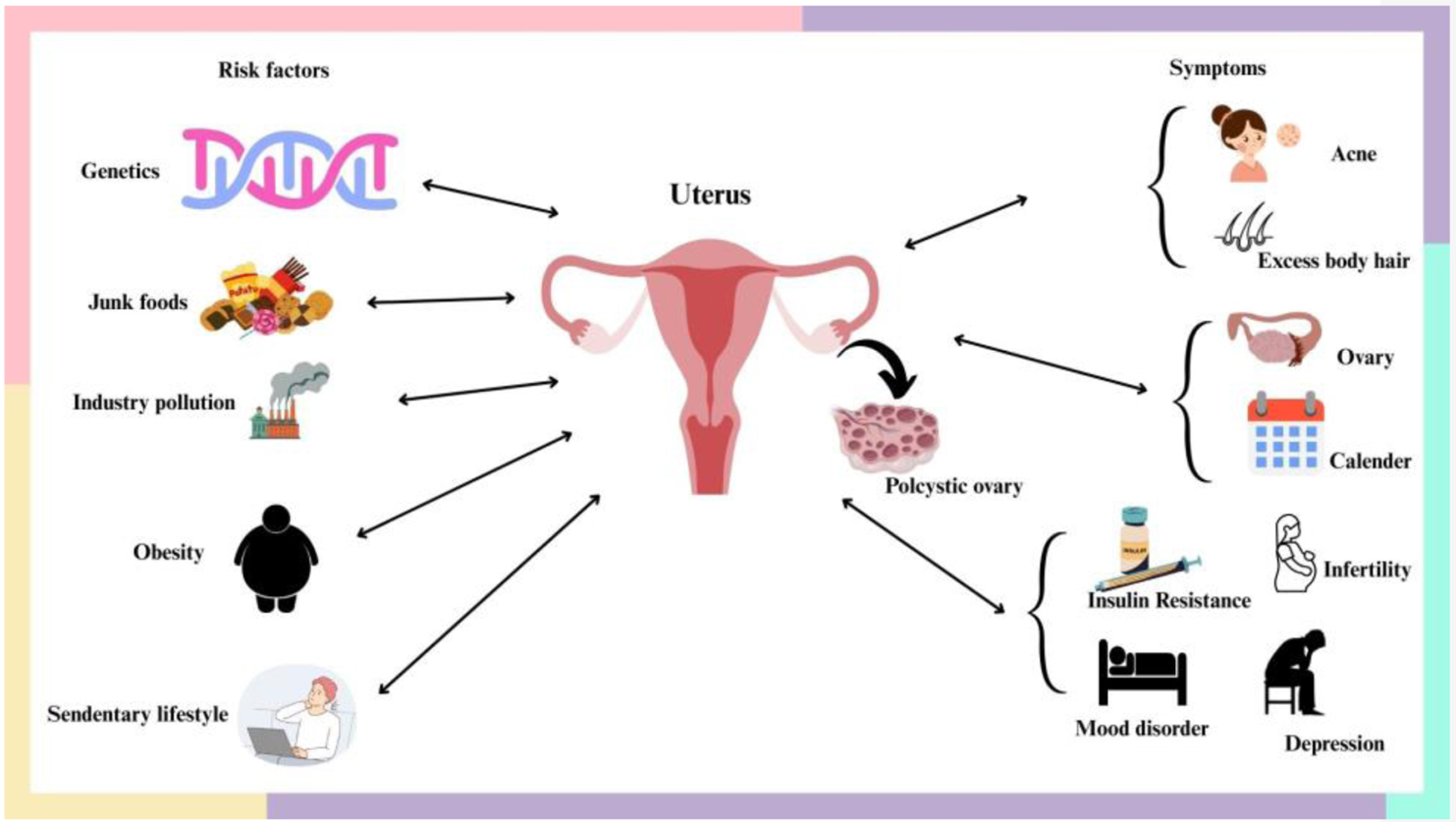
↓  Figure 1. An illustration depicting the risk factors and symptoms associated with the development of PCOS in women. Genetic, lifestyle, and environmental factors contribute to hormonal imbalance, insulin resistance, and ovarian dysfunction, resulting in polycystic ovaries and characteristic reproductive, metabolic, and psychological manifestations.
Figure 1.
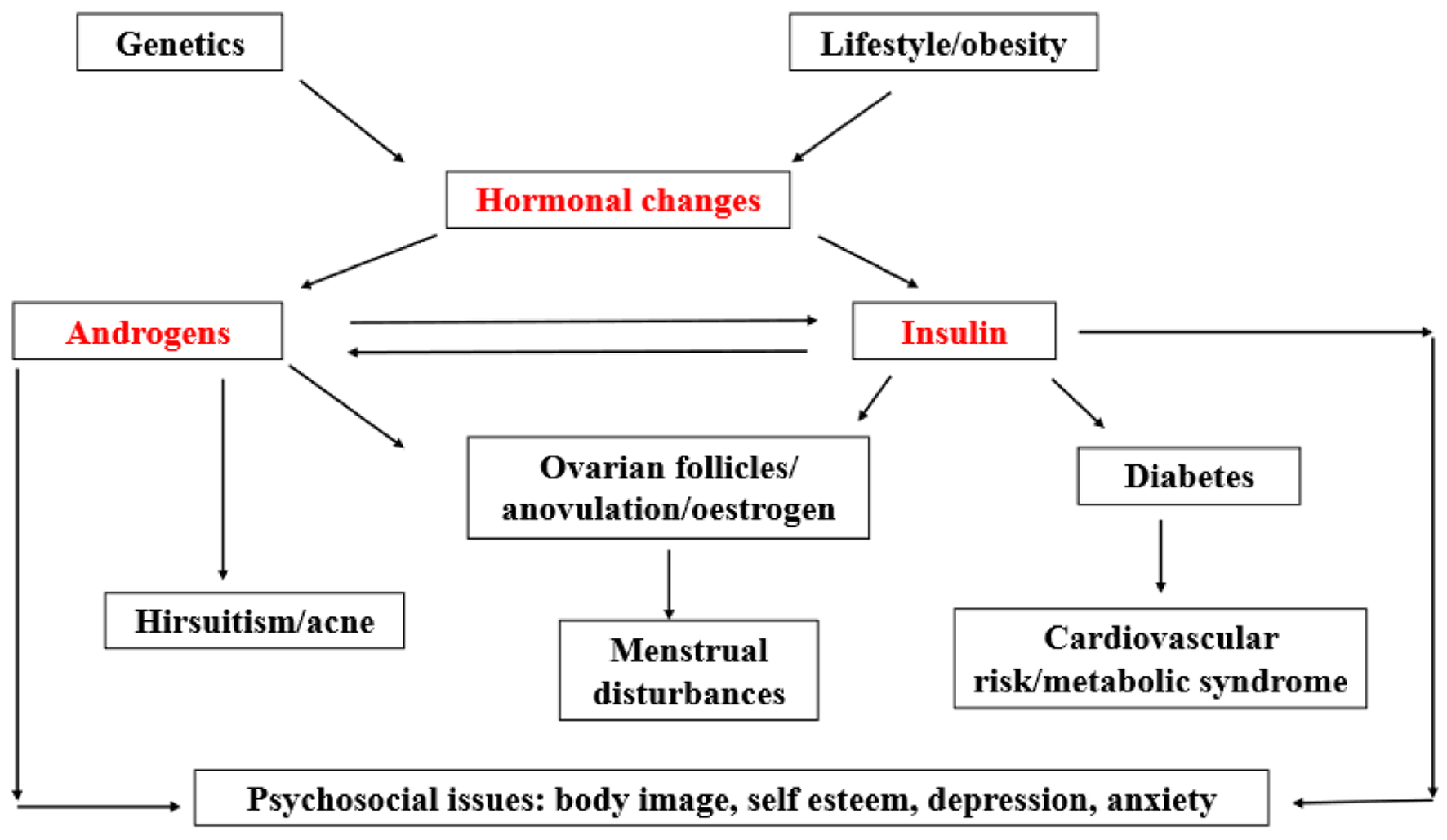
↓  Figure 2. Diagram showing the etiology and clinical characteristics of polycystic ovarian syndrome (PCOS), including its metabolic, reproductive, and psychological aspects. “Hormonal changes,” “Androgens,” and “Insulin” represent key regulatory or pathological factors in the development.
Figure 2.
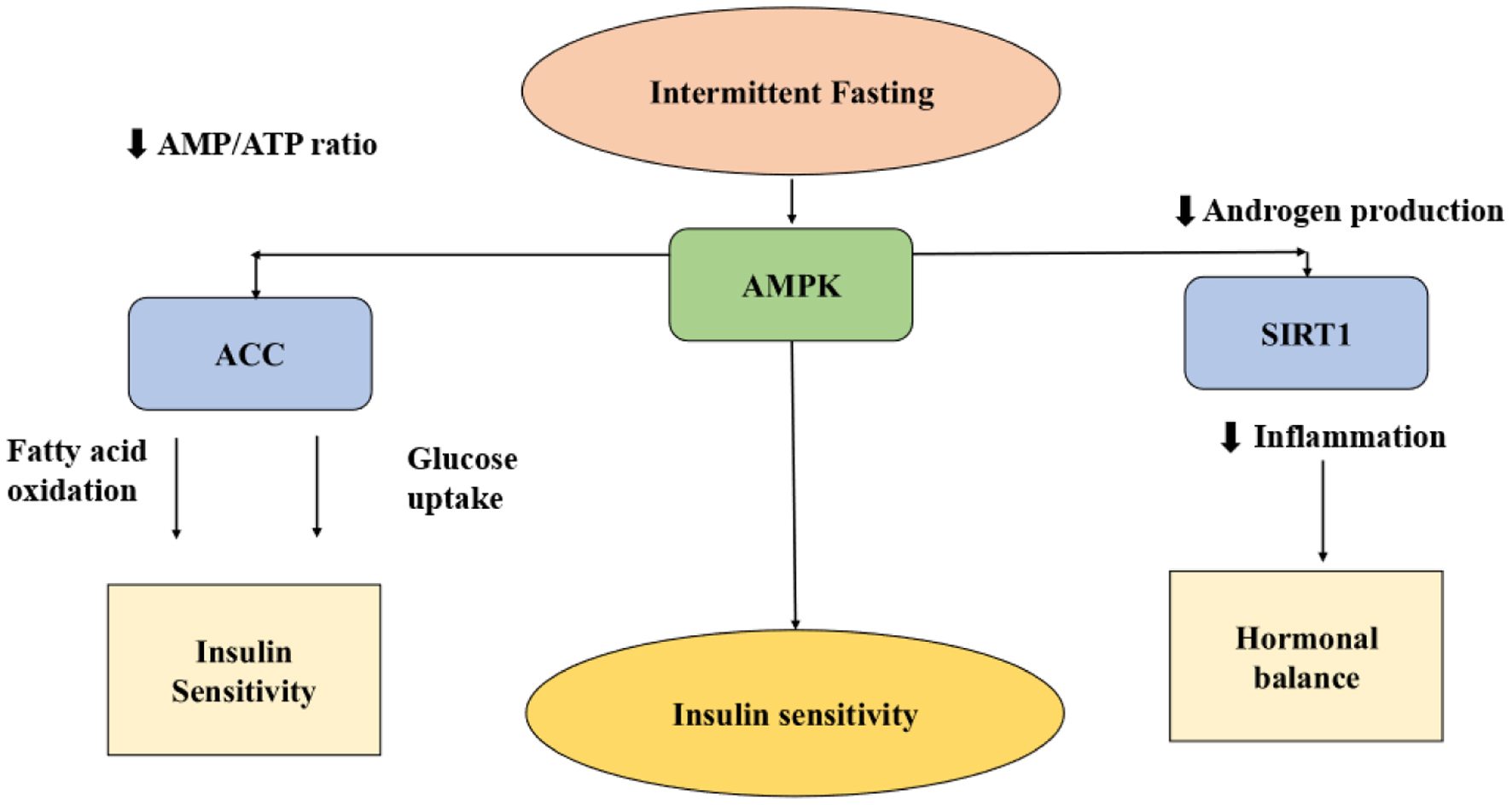
↓  Figure 3. Illustration of the molecular pathway of IF in PCOS; AMPK: adenosine monophosphate-activated protein kinase; ACC: acetyl-CoA carboxylase; AMP/ATP ratio: adenosine monophosphate to adenosine triphosphate; SIRT1: sirtuin 1.
Figure 3.

Table

↓  Table 1. Summary of IF Protocols and Their Metabolic Effects in PCOS
 
Study titleTypes of IF protocolEating patternMetabolic impact in PCOSSupporting evidence
Eight-hour time-restricted feeding improves endocrine and metabolic profiles in women with anovulatory polycystic ovary syndrome [37]Time-restricted feeding (TRF)Eating within 6–10 h daily (e.g., 8 am to 4 pm)Improves insulin sensitivity, reduces androgens, enhances menstrual regularity, and supports weight and fat lossThis study showed that among women with anovulatory PCOS, an 8-h TRF regimen improved hyperandrogenism.
Effects of intermittent fasting on female reproductive function: a review of animal and human studies [38]5:2 dietFive days of regular eating, followed by two non-consecutive days of 500–600 kcal calorie restrictionReduces insulin levels, promotes fat loss, and may improve lipid profileStudies show that in women with PCOS, the 5:2 diet increases sex hormone-binding globulin and dramatically lowers the free androgen index.
Eight-hour time-restricted feeding: a strong candidate diet protocol for first-line therapy in polycystic ovary syndrome [27]24-h fast (1–2 times/week)One or two 24-h fasting days per weekIncreases fat oxidation and reduces inflammationWhile specific studies on 24-h fasting in PCOS are limited, intermittent fasting protocols have been associated with reduced inflammatory markers, which may benefit PCOS management.