| Journal of Endocrinology and Metabolism, ISSN 1923-2861 print, 1923-287X online, Open Access |
| Article copyright, the authors; Journal compilation copyright, J Endocrinol Metab and Elmer Press Inc |
| Journal website https://jem.elmerpub.com |
Original Article
Volume 16, Number 2, April 2026, pages 93-100

Primary Hyperparathyroidism in Patients With Nephrolithiasis: Experience From a Tertiary Center
Raed Aldahasha, b, c, Ahmed Alibrahimb, d, Rihaf Algainb, Turki Almejaishb, Abdullah Alsubaieb, Abdulmajeed Alotaibib, Abdulrahman Alshayab
aKing Saud bin Abdulaziz University for Health Sciences, Riyadh, Saudi Arabia
bDepartment of Medicine, King Abdulaziz Medical City, Riyadh, Saudi Arabia
cKing Abdullah International Medical Research Center, Riyadh, Saudi Arabia
dCorresponding Author: Ahmed Alibrahim, Department of Medicine, Division of Endocrinology and Metabolism, King Abdulaziz Medical City, Riyadh, Saudi Arabia
Manuscript submitted January 8, 2026, accepted March 11, 2026, published online April 8, 2026
Short title: PHPT in Patients With Nephrolithiasis
doi: https://doi.org/10.14740/jem1631
| Abstract | ▴Top |
Background: Primary hyperparathyroidism (PHPT) is an important but under-recognized cause of nephrolithiasis. Despite clinical guidelines recommending biochemical screening for PHPT in stone-forming patients, especially those with hypercalcemia, screening and referral patterns remain inconsistent in routine practice. This study aimed to evaluate adherence to PHPT screening recommendations among adult stone-forming patients and to determine the prevalence and characteristics of confirmed PHPT cases in a tertiary Saudi center.
Methods: A retrospective cohort study was conducted at King Abdulaziz Medical City (KAMC), Riyadh, including adult Saudi patients diagnosed with nephrolithiasis between January 2019 and December 2023. Data were extracted from the BestCare electronic health record system. Patients were classified according to serum calcium status and parathyroid hormone (PTH) testing. PHPT was defined as persistent hypercalcemia with inappropriately elevated PTH after exclusion of secondary causes. Statistical analysis was performed using SPSS version 26.
Results: A total of 1,229 patients were included (800 males, 429 females). Females had a significantly higher body mass index (BMI) (P < 0.001) and were more likely to have kidney stones ≥ 10 mm (P = 0.004), while males had significantly higher creatinine levels (P < 0.001) and more ureteral stones (P < 0.001). PTH screening was performed more frequently in females (53.2%) than males (46.8%) (P < 0.001). Although PHPT was diagnosed more frequently in females, the gender difference in PHPT prevalence was not statistically significant (P = 0.336). Referral to endocrinology was significantly more common among those diagnosed with PHPT (P = 0.046), yet overall referral rates remained low.
Conclusion: There is significant under-screening for PHPT among patients with nephrolithiasis, particularly among hypercalcemic individuals. Gender-based disparities in evaluation and referral patterns were observed. These findings emphasize the need for improved clinician awareness and systematic screening protocols to enhance early detection and management of PHPT in stone-forming patients.
Keywords: Nephrolithiasis; Primary hyperparathyroidism; Parathyroid hormone; Screening; Gender differences
| Introduction | ▴Top |
Primary hyperparathyroidism (PHPT) is a common endocrine disorder characterized by autonomous secretion of parathyroid hormone (PTH), resulting in hypercalcemia. Although the classical biochemical presentation includes elevated serum calcium and PTH levels, PHPT may also present with inappropriately normal or elevated PTH in the setting of high-normal calcium concentrations, particularly in early or normocalcemic forms of the disease [1]. Chronic hypercalcemia leads to multisystem involvement, with renal and skeletal complications being the most clinically significant [2].
Renal manifestations are among the earliest and most frequent complications of PHPT. Elevated PTH levels increase renal tubular calcium handling and filtered calcium load, often resulting in hypercalciuria and nephrolithiasis. Persistent hypercalcemia may also contribute to progressive renal impairment [3]. Nephrolithiasis itself represents a substantial global health burden, affecting approximately 1 in 11 individuals in the United States [4]. Regional data suggest a considerable burden in Saudi Arabia as well, where environmental factors such as high ambient temperatures and dehydration, along with dietary patterns and metabolic risk factors, likely contribute to increased stone prevalence [5, 6].
Although PHPT accounts for approximately 3–5% of nephrolithiasis cases, affected individuals carry a markedly increased risk of recurrent stone formation compared with those without PHPT [7]. Despite this well-established association, PHPT remains under-recognized in stone-forming patients. Data from the United States Veterans Affairs system demonstrated that fewer than 25% of patients with nephrolithiasis and concomitant hypercalcemia underwent appropriate PHPT screening [8]. Delayed recognition may postpone definitive management, including parathyroidectomy, thereby increasing the risk of recurrent stones and skeletal complications [9].
Current guidelines recommend biochemical evaluation with serum calcium and PTH measurement in patients with recurrent or unexplained nephrolithiasis, particularly in the presence of hypercalcemia. However, adherence to these recommendations in routine clinical practice appears inconsistent.
Given the clinical importance of early detection and the limited regional data from Middle Eastern populations, the primary objective of this study was to evaluate adherence to PHPT biochemical screening recommendations among adult patients presenting with nephrolithiasis at a tertiary center in Saudi Arabia. Secondary objectives included determining the prevalence of confirmed PHPT cases and assessing referral patterns to endocrinology services. These findings aim to inform strategies to improve diagnostic pathways and optimize outcomes in this high-risk population.
| Materials and Methods | ▴Top |
Study design and setting
This study employed a retrospective cohort design and was conducted at King Abdulaziz Medical City (KAMC) in Riyadh, Saudi Arabia. KAMC is a large tertiary care hospital with a capacity of over 1,500 beds, serving a broad catchment area and offering specialized services, including nephrology and endocrinology. The study focused on adult patients diagnosed with nephrolithiasis who received care at KAMC between January 1, 2019, and December 31, 2023. The hospital’s integrated electronic health information system, BestCare, was utilized for case identification and data retrieval. Patients were identified using diagnostic coding for nephrolithiasis and confirmed by review of radiological imaging reports documented in the electronic health record system.
Study population and inclusion and exclusion criteria
The target population included all Saudi adult patients aged 18 years and older who had a radiologically confirmed diagnosis of nephrolithiasis within the specified 5-year period. Because the primary objective of this study was to evaluate adherence to biochemical screening recommendations for PHPT among stone-forming patients, inclusion was not restricted to individuals with elevated serum calcium or confirmed PHPT. Instead, all eligible stone-forming patients with at least one documented serum calcium measurement were included to allow assessment of whether appropriate PTH testing was performed when indicated. Patients whose records lacked serum calcium measurements were excluded from the analysis. For the subgroup analysis of confirmed PHPT cases, patients were required to have both serum calcium and PTH measurements available. Patients with known secondary hyperparathyroidism (such as advanced chronic kidney disease stage 4–5), prior parathyroidectomy, or known familial hypocalciuric hypercalcemia were excluded.
Definition of PHPT
PHPT was defined as persistent hypercalcemia (adjusted serum calcium above the institutional upper limit of normal) in the presence of an inappropriately elevated or non-suppressed PTH level, after exclusion of secondary causes such as significant vitamin D deficiency or advanced chronic kidney disease. Patients were categorized according to calcium status (normocalcemic versus hypercalcemic) and whether PTH testing was performed, allowing evaluation of screening adherence and identification of confirmed PHPT cases.
Sample size and sampling technique
To determine the required sample size, the Raosoft online sample size calculator was used [10]. With a 95% confidence level, a 5% margin of error, and an expected outcome frequency of 50%, the estimated minimum sample size was calculated to be 377 patients. Because the total number of eligible patients was unknown at the outset, a consecutive sampling technique was applied. All patients meeting the inclusion and exclusion criteria during the defined time frame were included in the study to ensure comprehensive coverage and reduce selection bias.
Data collection procedures
Data collection was carried out through a detailed chart review using the BestCare system. A standardized data collection sheet was developed by the research team to capture relevant clinical and demographic information. Variables extracted included patient age and gender, as well as laboratory results for serum calcium and PTH. Stone-related variables were collected primarily to characterize the overall cohort and to evaluate whether screening practices differed according to clinical presentation; however, the study was not designed to compare stone characteristics between PHPT and non-PHPT groups. Additional information was collected regarding the clinical management of PHPT, including referrals to endocrinology, documentation of outpatient clinic visits, and any treatment plans initiated. The review of physician notes and clinical orders provided insight into diagnostic and therapeutic decision-making related to hyperparathyroidism in the context of nephrolithiasis.
Outcome measures
The main outcome of interest was the identification of PHPT among patients with nephrolithiasis. Secondary outcomes included referral to endocrinology services and the type of management strategy implemented for PHPT, such as surgical intervention or medical observation. The study also aimed to explore whether demographic variables such as age and gender were associated with the likelihood of PHPT diagnosis.
Data analysis
All data were analyzed using IBM SPSS Statistics for Windows, version 26.0 (IBM Corp., Armonk, NY, USA). Categorical variables, such as gender and referral status, were summarized as frequencies and percentages. Continuous variables, such as age, were summarized using means and standard deviations. The Chi-square test was used to assess associations between PHPT and categorical baseline variables (e.g., gender group), whereas an independent t-test was used to assess association with continuous variables. A P-value of less than 0.05 was considered statistically significant.
Institutional review board approval
The study was approved by the Institutional Review Board of King Abdullah International Medical Research Center (Approval No. NRC24R/079/02).
Ethical compliance with human study
This study was conducted in compliance with the ethical standards of the responsible institution on human subjects.
| Results | ▴Top |
Baseline characteristics and clinical variables of the study population
Table 1 presents the baseline characteristics and clinical variables of the study population, categorized by gender. A total of 800 males and 429 females were included for age and body mass index (BMI) analyses, with slight variations in sample sizes for other variables due to data availability. The mean age of males was 46.78 ± 15.323 years, compared to 48.47 ± 15.234 years for females, a difference that was not statistically significant (P = 0.065). However, significant differences between genders were observed for several variables. Females had a significantly higher mean BMI (31.58 ± 9.366 kg/m2) compared to males (28.04 ± 5.329 kg/m2, P < 0.001). Similarly, creatinine levels were significantly higher in males (98.53 ± 72.749) than in females (70.60 ± 46.351, P < 0.001). Conversely, estimated glomerular filtration rate (eGFR) was significantly lower in males (89.53 ± 30.003) compared to females (93.43 ± 23.742, P = 0.021). Additionally, 25-OH vitamin D levels were significantly lower in males (55.82 ± 28.728) than in females (62.06 ± 29.641, P = 0.011). No statistically significant differences between genders were found for adjusted calcium, phosphorus, or PTH levels as shown in Table 1.
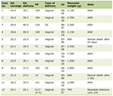 Click to view | Table 1. Characteristics and Clinical Variables of the Patients, Categorized by Gender |
Characteristics of renal stones and subsequent management, categorized by gender
Table 2 outlines the characteristics of renal stones and their subsequent management, stratified by gender. The majority of both males (64.9%) and females (65.5%) experienced their first stone episode, with no significant gender difference (P = 0.826). However, significant differences were observed in stone location, size, composition, and endocrine referral. Kidney stones were more prevalent in females (47.3%) than males (35.4%), while ureteral stones were more common in males (64.6%) than females (52.7%), a statistically significant difference (P < 0.001). Regarding stone size, a significantly higher percentage of females (28.7%) presented with stones ≥ 10 mm compared to males (21.3%, P = 0.004).
Click to view | Table 2. Characteristics of Renal Stones and Subsequent Management, Categorized by Gender |
Stone composition also varied significantly by gender (P = 0.006). While calcium oxalate was the most common stone type in both genders (75.9% in males, 81.6% in females), uric acid stones were notably more common in males (3.6%) than in females (0.5%). There was no significant gender difference in the number of stones (P = 0.096).
Regarding management, there was no significant difference between genders in the treatment modalities (P = 0.218). Conservative management was the most frequent approach for both males (50.7%) and females (47.8%). Laparoscopic and robot-assisted surgery was the second most common management, followed by shock wave lithotripsy. Finally, a significantly higher proportion of females (5.6%) were referred to endocrinology compared to males (2.1%, P = 0.001).
Distribution of hypercalcemic and PHPT individuals, categorized by gender and age
Table 3 presents the distribution of hypercalcemic and normocalcemic individuals, and those screened for PTH and PHPT, categorized by gender and age. Age did not differ significantly between hypercalcemic (47.30 ± 20.640 years) and normocalcemic (47.42 ± 15.277 years) individuals (P = 0.980), nor between those who underwent PTH screening (47.78 ± 12.136 years) and those who did not (47.29 ± 15.870 years, P = 0.674), or between individuals with PHPT (48.03 ± 11.932 years) and normal PTH (47.32 ± 12.575 years, P = 0.616) as shown in Table 3.
Click to view | Table 3. Distribution of Hypercalcemic and Normocalcemic Individuals, Categorized by Gender and Age |
While there was no significant gender difference in the distribution of hypercalcemia (P = 0.101), with females slightly more represented in the hypercalcemic group (60.0% vs. 40.0% for males), a highly significant gender difference was observed in PTH screening (P < 0.001). Females constituted a larger proportion of those screened for PTH (53.2%) compared to males (46.8%), while males predominantly comprised the group not screened (68.8% vs. 31.3% for females). Within the screened population, gender distribution for PHPT versus normal PTH was not statistically significant (P = 0.336). Notably, there was a significant difference in referral patterns (P = 0.046), with a higher percentage of individuals with PHPT being referred (17.3%) compared to those with normal PTH (6.9%) as illustrated in Table 3.
| Discussion | ▴Top |
This study aimed to evaluate the clinical characteristics, biochemical profiles, and screening patterns for PHPT among Saudi patients presenting with nephrolithiasis at a tertiary care center. Importantly, this study was not designed to compare PHPT patients with and without nephrolithiasis, but rather to evaluate whether patients presenting with nephrolithiasis were appropriately screened for PHPT according to guideline recommendations. Through the analysis of over 1,200 patients, several important gender-based differences in clinical and laboratory features, stone characteristics, and management patterns were identified. Notably, the study also explored the frequency and determinants of PTH screening and PHPT diagnosis among this population.
A significant finding from our cohort was the suboptimal rate of PTH screening among patients with nephrolithiasis, particularly in males. Despite existing guidelines advocating for serum calcium and PTH evaluation in recurrent stone formers or those with hypercalcemia, the rate of PTH screening remained low overall, and disproportionately lower among male patients. These findings align with prior data from Ganesan et al, who reported that fewer than 25% of patients with kidney stones and concurrent hypercalcemia were screened for PHPT in a large veteran population [8]. This missed opportunity for early diagnosis may contribute to preventable complications such as recurrent stones, chronic kidney disease, and skeletal pathology.
Gender disparities were evident across multiple domains. Females in our cohort had significantly higher BMI, lower creatinine, and higher eGFR compared to males. Interestingly, vitamin D levels were also significantly higher in females. These observations may reflect differences in health-seeking behavior, nutritional status, and underlying comorbidity profiles between genders. Similar gender-related biochemical differences have been reported in the literature, particularly in Middle Eastern populations, where cultural and lifestyle factors may contribute to variations in vitamin D status and BMI.
With respect to stone characteristics, females were more likely to present with kidney stones, while males more commonly had ureteral stones. Additionally, a greater proportion of females had stones ≥ 10 mm in diameter. These findings challenge the traditional perception that nephrolithiasis is more prevalent and severe in males. Although historically more common in men, recent epidemiological shifts suggest a rising prevalence in women, possibly driven by increasing rates of obesity and metabolic syndrome [11, 12]. Our findings support this trend, particularly in the Saudi context, where obesity and sedentary lifestyles are increasingly prevalent among women, especially in middle-aged women [13].
Calcium oxalate remained the predominant stone composition across both sexes, consistent with previous international and regional studies [3, 14]. However, uric acid stones were more common among males in our cohort. This is in keeping with previous reports indicating a male predominance in uric acid stone formation, possibly related to higher rates of metabolic syndrome, increased purine intake, and lower urinary pH in men [14–16]. Despite differences in stone size and location, there was no significant gender difference in the number of stones or treatment modalities received. Conservative management was the most common approach, followed by minimally invasive surgical options such as laparoscopic and robot-assisted procedures, and shock wave lithotripsy.
An important clinical observation was the significantly higher rate of referral to endocrinology among females. Females were also more likely to be screened for PTH and to be diagnosed with PHPT, although the gender difference in PHPT prevalence did not reach statistical significance. This disparity may reflect a potential gender bias in referral practices, or greater clinical suspicion for PHPT in females due to their higher calcium levels or more overt clinical symptoms. Prior studies have documented that PHPT is more frequently diagnosed in postmenopausal women, which may further explain the higher rates of referral and screening in our female patients [17, 18].
The prevalence of PHPT among patients with nephrolithiasis in our cohort was clinically meaningful. Although age did not significantly differ between those with hypercalcemia or PHPT and their normocalcemic or normal-PTH counterparts, a notable proportion of hypercalcemic individuals were not screened for PTH. This reinforces the need for improved adherence to clinical guidelines, especially given that PHPT accounts for 3–5% of kidney stone cases and increases the risk of recurrence up to 40-fold [19, 20]. Failure to recognize and treat PHPT can result in persistent hypercalcemia, ongoing stone formation, and long-term complications including osteoporosis, fractures, and renal insufficiency [19, 21].
Endocrinology referral patterns also revealed a critical gap in care. Only 5.6% of females and 2.1% of males were referred to endocrinology despite presenting with nephrolithiasis, and even fewer among those with confirmed PHPT. These findings suggest under-recognition of the condition and missed opportunities for surgical cure, particularly through parathyroidectomy, which has been shown to significantly reduce stone recurrence and improve bone health outcomes. The significantly higher referral rate among individuals with confirmed PHPT compared to those with normal PTH highlights that referrals were often reactive rather than proactive, potentially leading to diagnostic delays.
From a pathophysiological perspective, the mechanisms linking PHPT and nephrolithiasis are well established [22, 23]. PTH increases renal tubular calcium reabsorption, yet in the setting of elevated serum calcium and filtered load, hypercalciuria frequently develops [24, 25]. This enhances the risk for calcium stone formation, especially when compounded by low urinary volume, acidic urine, or hypocitraturia [25]. The presence of vitamin D deficiency, which was more common in males in our study, can also alter calcium homeostasis and complicate the biochemical interpretation of PHPT, particularly in normocalcemic variants. Therefore, correcting vitamin D deficiency before interpreting PTH levels is essential to avoid diagnostic misclassification.
Strengths and limitations
The strengths of our study include its large sample size, representation of both genders, and use of detailed electronic health records to assess biochemical parameters and clinical outcomes over a 5-year period. However, several limitations merit consideration. First, as a retrospective study, the findings are dependent on the completeness and accuracy of medical records, and causal relationships cannot be definitively established. As a retrospective study, findings depend on the completeness and accuracy of medical records, and causal relationships cannot be established. Second, the single-center design may limit generalizability to other settings, though our center’s tertiary status and large catchment area provide some external validity. Third, not all patients with hypercalcemia underwent PTH testing, and the decision to test may have been influenced by unmeasured clinical judgments or comorbidities, introducing potential selection bias. Finally, detailed information on patients’ underlying illnesses and concurrent medications was not systematically collected, which may have influenced biochemical results and PHPT evaluation, and this represents an additional limitation of the study. Additionally, data on bone density, urinary biochemical profiles, and prevalent fractures were not available, limiting our ability to assess skeletal complications associated with PHPT.
Despite these limitations, the findings have important clinical implications. They underscore the need for heightened clinician awareness and standardized protocols for evaluating PHPT in patients with nephrolithiasis, particularly those with hypercalcemia or recurrent stones. Implementation of clinical decision support tools and educational interventions may help bridge this gap in care. Furthermore, targeted screening and timely referral to endocrinology can enable early surgical intervention and reduce long-term morbidity.
Conclusions
In conclusion, this study highlights a significant under-screening and under-referral of patients with nephrolithiasis for PHPT, particularly among males. Despite known associations between PHPT and kidney stones, the condition remains under-recognized in clinical practice. Gender differences in stone characteristics, biochemical profiles, and referral rates were evident, with females receiving more thorough evaluation and follow-up. These findings call for improved guideline adherence, clinician education, and systematic screening protocols to ensure optimal detection and management of PHPT in stone-forming patients.
Acknowledgments
The authors have no acknowledgments to declare.
Financial Disclosure
The authors declare that no financial support was received for this study.
Conflict of Interest
The authors declare that they have no conflict of interest relevant to this study.
Informed Consent
Given the retrospective nature of the study using de-identified patient records, informed consent was waived.
Author Contributions
Dr. Raed Aldahash: conceptualization, study design, data collection, statistical analysis, and manuscript drafting. Dr. Ahmed Alibrahim: conceptualization, supervision, final manuscript approval, and correspondence with the journal. Dr. Rihaf Algain: data analysis and interpretation of results. Dr. Turki Almejaish: data collection, literature review, and methodology support. Dr. Abdullah Alsubaie: data collection and critical revision of the manuscript. Dr. Abdulmajeed Alotaibi: data collection, clinical interpretation, and manuscript review. Dr. Abdulrahman Alshaya: data collection, data validation, and manuscript drafting.
Data Availability
The authors declare that data supporting the findings of this study are available within the article Additional data can be provided upon reasonable request to the corresponding author.
Abbreviations
BMI: body mass index; KAMC: King Abdulaziz Medical City; PHPT: primary hyperparathyroidism; PTH: parathyroid hormone
| References | ▴Top |
- Paruk IM, Esterhuizen TM, Maharaj S, Pirie FJ, Motala AA. Characteristics, management and outcome of primary hyperparathyroidism in South Africa: a single-centre experience. Postgrad Med J. 2013;89(1057):626-631.
doi pubmed - Walker MD, Shane E. Hypercalcemia: a review. JAMA. 2022;328(16):1624-1636.
doi pubmed - Vestergaard P. Primary hyperparathyroidism and nephrolithiasis. Ann Endocrinol (Paris). 2015;76(2):116-119.
doi pubmed - Scales CD, Jr., Smith AC, Hanley JM, Saigal CS, Urologic Diseases in America P. Prevalence of kidney stones in the United States. Eur Urol. 2012;62(1):160-165.
doi pubmed - Baatiah NY, Alhazmi RB, Albathi FA, Albogami EG, Mohammedkhalil AK, Alsaywid BS. Urolithiasis: Prevalence, risk factors, and public awareness regarding dietary and lifestyle habits in Jeddah, Saudi Arabia in 2017. Urol Ann. 2020;12(1):57-62.
doi pubmed - Safdar OY, Alzahrani WA, Kurdi MA, Ghanim AA, Nagadi SA, Alghamdi SJ, Zaher ZF, et al. The prevalence of renal stones among local residents in Saudi Arabia. J Family Med Prim Care. 2021;10(2):974-977.
doi pubmed - Rejnmark L, Vestergaard P, Mosekilde L. Nephrolithiasis and renal calcifications in primary hyperparathyroidism. J Clin Endocrinol Metab. 2011;96(8):2377-2385.
doi pubmed - Ganesan C, Weia B, Thomas IC, Song S, Velaer K, Seib CD, Conti S, et al. Analysis of primary hyperparathyroidism screening among US veterans with kidney stones. JAMA Surg. 2020;155(9):861-868.
doi pubmed - Silverberg SJ, Shane E, Jacobs TP, Siris ES, Gartenberg F, Seldin D, Clemens TL, et al. Nephrolithiasis and bone involvement in primary hyperparathyroidism. Am J Med. 1990;89(3):327-334.
doi pubmed - http://www.raosoft.com/samplesize.html.
- Gillams K, Juliebo-Jones P, Juliebo SO, Somani BK. Gender differences in kidney stone disease (KSD): findings from a systematic review. Curr Urol Rep. 2021;22(10):50.
doi pubmed - Chien TM, Lu YM, Li CC, Wu WJ, Chang HW, Chou YH. A retrospective study on sex difference in patients with urolithiasis: who is more vulnerable to chronic kidney disease? Biol Sex Differ. 2021;12(1):40.
doi pubmed - Wahabi H, Fayed AA, Shata Z, Esmaeil S, Alzeidan R, Saeed E, Amer Y, et al. The impact of age, gender, temporality, and geographical region on the prevalence of obesity and overweight in Saudi Arabia: scope of evidence. Healthcare (Basel). 2023;11(8).
doi pubmed - Halinski A, Bhatti KH, Boeri L, Cloutier J, Davidoff K, Elqady A, Fryad G, et al. Stone composition of renal stone formers from different global regions. Arch Ital Urol Androl. 2021;93(3):307-312.
doi pubmed - Ferraro PM, Cunha TDS, Curhan GC. Sex Differences and the Risk of Kidney Stones. Semin Nephrol. 2022;42(2):230-235.
doi pubmed - Kc M, Leslie SW. Uric acid nephrolithiasis. In: StatPearls. Treasure Island (FL) ineligible companies. 2026.
pubmed - Silva BC, Cusano NE, Bilezikian JP. Primary hyperparathyroidism. Best Pract Res Clin Endocrinol Metab. 2018;32(5):593-607.
doi pubmed - Bilezikian JP. Primary Hyperparathyroidism. J Clin Endocrinol Metab. 2018;103(11):3993-4004.
doi pubmed - Scheyer N, Frey S, Koumakis E, Guerin C, Desailloud R, Groussin L, Cariou B, et al. Chapter 3: Impact of primary hyperparathyroidism. Ann Endocrinol (Paris). 2025;86(1):101692.
doi pubmed - Assadipour Y, Zhou H, Kuo EJ, Haigh PI, Adams AL, Yeh MW. End-organ effects of primary hyperparathyroidism: A population-based study. Surgery. 2019;165(1):99-104.
doi pubmed - Bilezikian JP. Primary hyperparathyroidism. Hypercalcemia: Clinical Diagnosis and Management. 2022; Springer. p. 89-110.
- Lemoine S, Figueres L, Bacchetta J, Frey S, Dubourg L. Calcium homeostasis and hyperparathyroidism: Nephrologic and endocrinologic points of view. Ann Endocrinol (Paris). 2022;83(4):237-243.
doi pubmed - Verdelli C, Corbetta S. MECHANISMS IN ENDOCRINOLOGY: Kidney involvement in patients with primary hyperparathyroidism: an update on clinical and molecular aspects. Eur J Endocrinol. 2017;176(1):R39-R52.
doi pubmed - Alexander RT, Dimke H. Effects of parathyroid hormone on renal tubular calcium and phosphate handling. Acta Physiol (Oxf). 2023;238(1):e13959.
doi pubmed - Hanna RM, Ahdoot RS, Kalantar-Zadeh K, Ghobry L, Kurtz I. Calcium transport in the kidney and disease processes. Front Endocrinol (Lausanne). 2021;12:762130.
doi pubmed
This article is distributed under the terms of the Creative Commons Attribution 4.0 International License (CC BY 4.0), which permits unrestricted use, distribution, and reproduction in any medium, including commercial use, provided the original work is properly cited.
Journal of Endocrinology and Metabolism is published by Elmer Press Inc.