

Key Physiopathological Pathways and Emerging Therapeutic Strategies in Type 2 Diabetes Mellitus
DOI:
https://doi.org/10.14740/jem1622Keywords:
Type 2 diabetes mellitus, Renin-angiotensin system pathway, Antioxidant genes, Inflammatory pathway, Vitamin D receptor, Drugs and therapiesAbstract
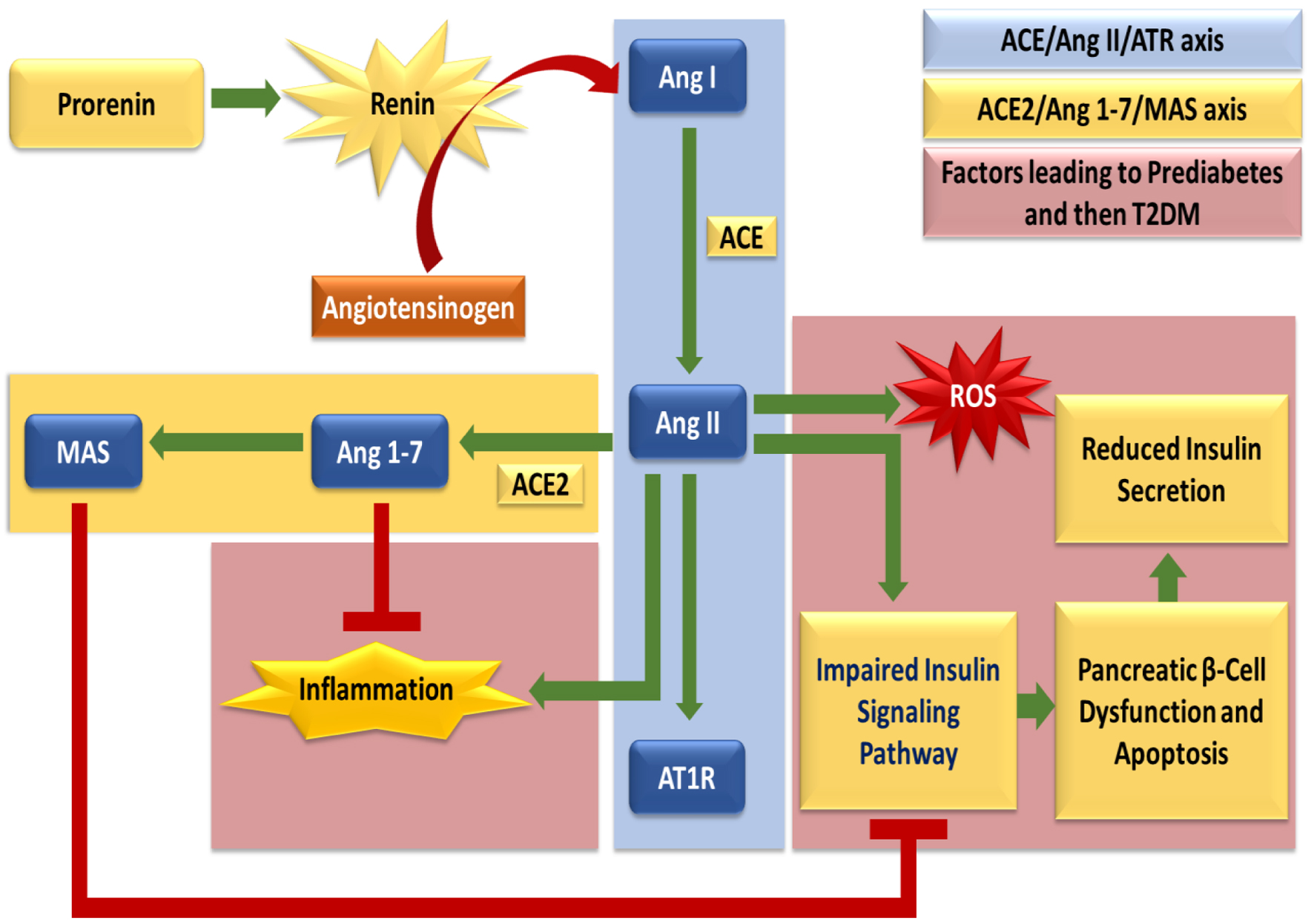
Type 2 diabetes mellitus (T2DM) is a progressive metabolic disorder initiated by insulin resistance, leading to compensatory hyperinsulinemia, β-cell exhaustion, and chronic hyperglycemia. It is a major global health burden associated with macrovascular and microvascular complications. Dysregulation of the renin-angiotensin system (RAS), Antioxidant pathway, inflammation, and vitamin D signaling interact in a self-perpetuating metabolic loop driving disease progression. Hepatic insulin resistance plays a central role, while glucotoxic pathways distinguish T2DM from obesity. This review aims to examine the molecular cross-talk among the RAS, antioxidant pathway, inflammation, and vitamin D signaling pathways in T2DM pathogenesis. It seeks to clarify how their interactions drive insulin resistance, β-cell dysfunction, and complications, thereby supporting the development of more precise, mechanism-based therapeutic strategies. The RAS plays a central role in T2DM through overactivation of the angiotensin-converting enzyme/angiotensin II/angiotensin II receptor type 1 (ACE/Ang II/AT1R) axis, promoting insulin resistance, β-cell apoptosis, oxidative stress (OS), inflammation, and vascular damage, while the ACE2/Ang-(1–7)/Mas axis offers protective effects. Ang II–induced ROS production disrupts antioxidant defenses and accelerates glucotoxicity. Chronic low-grade inflammation, marked by increased interleukin-6 (IL-6) and reduced interleukin-10 (IL-10), further worsens metabolic dysfunction. Vitamin D receptor (VDR) signaling counteracts these effects by suppressing renin, reducing Ang II activity, enhancing antioxidant enzymes, and modulating inflammation. The liver serves as a key site where these pathways converge. Therapeutic strategies—including ACE inhibitors, angiotensin II receptor blockers (ARBs), GLP-1 receptor agonists, sodium-glucose cotransporter 2 (SGLT2) inhibitors, dipeptidyl peptidase-4 (DPP-4) inhibitors, antioxidants, and vitamin D—target these interconnected mechanisms, with responses influenced by disease stage and sex differences. T2DM develops through interconnected dysregulation of four key pathways: the RAS, OS–antioxidant imbalance, chronic inflammation, and vitamin D/VDR signaling. These pathways interact to promote insulin resistance, β-cell dysfunction, and vascular complications, driving progression from prediabetes to overt disease. Therapeutic strategies targeting these mechanisms—including RAS inhibitors, antioxidant-based interventions, metformin, and vitamin D supplementation—offer complementary benefits but have limitations and potential adverse effects. Treatment responses may vary by biological factors such as sex and disease stage, highlighting the need for well-designed clinical trials to enable precise, mechanism-based management.
Published
Issue
Section
License
Copyright (c) 2026 The authors

This work is licensed under a Creative Commons Attribution 4.0 International License.