

Evaluation of Hypothalamic–Pituitary–Adrenal Axis After Short Course of Systemic Steroids
DOI:
https://doi.org/10.14740/jem1662Keywords:
HPA axis suppression, Short-term steroid therapy, Adrenal insufficiency, Glucocorticoid treatment, Recovery predictorsAbstract
Background: Hypothalamic–pituitary–adrenal (HPA) axis suppression is considered an adverse effect of long-term glucocorticoid treatment. However, short-term steroid therapy may also suppress the HPA axis. The objective of this study is to examine the temporal pattern of HPA axis suppression and recovery after a short duration of glucocorticoids and recognize predictors of HPA axis suppression.
Methods: A total of 229 patients visiting outpatient departments at a tertiary care center and being prescribed steroids for various underlying conditions were recruited, of whom 121 patients completed the study. Testing of the HPA axis was done by an 8 am serum cortisol concentration and 1-µg adrenocorticotrophic hormone (ACTH)-stimulated cortisol (when needed), measured at baseline before starting steroid therapy and after completion of therapy on days 3, 10, 17, 24, and 31.
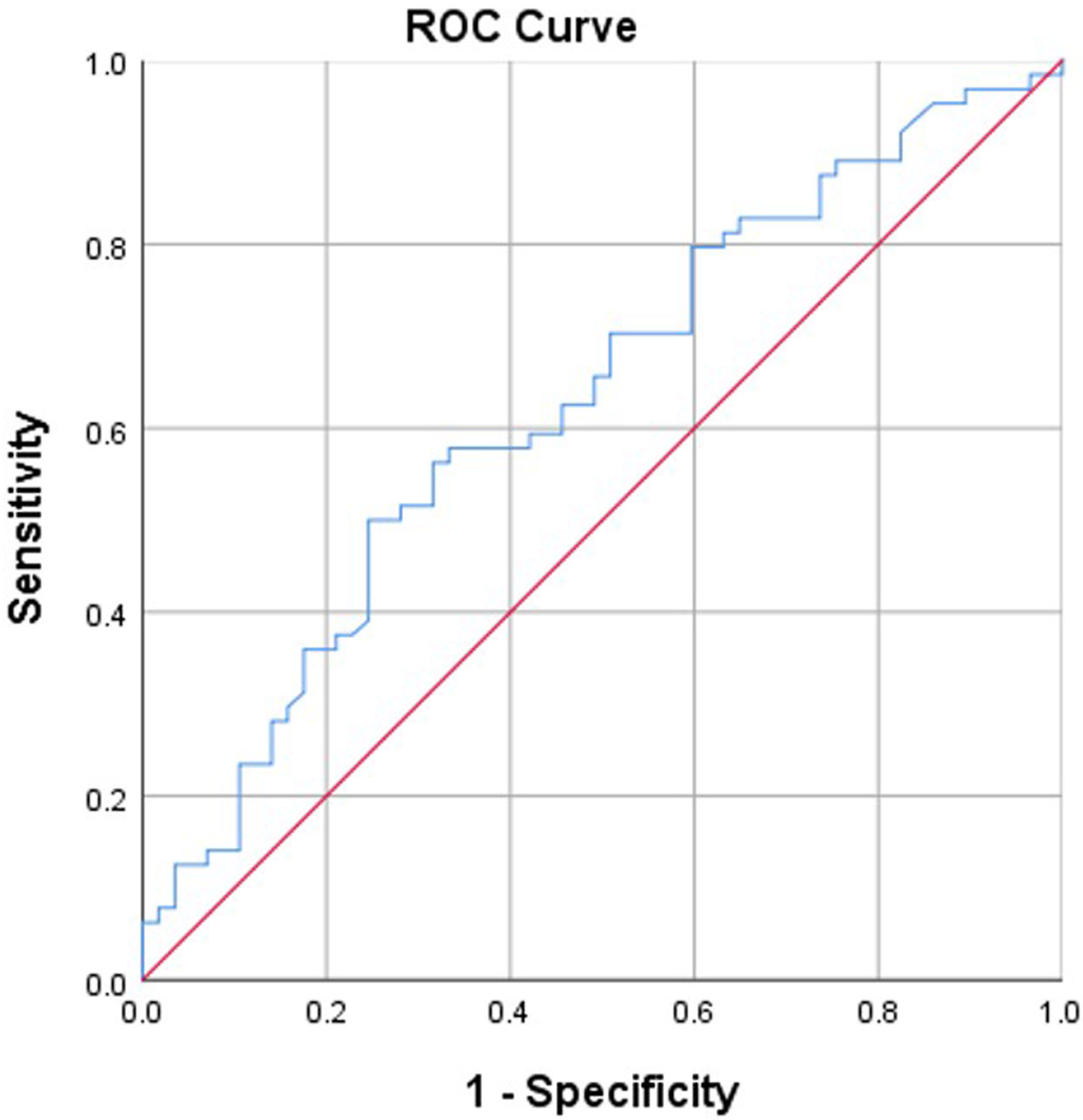
Results: HPA axis suppression was seen in 57 (47%) study subjects on day 3 post-steroid course. On day 10, 18 (31.5%) subjects had persistent suppression, while 39 (68.5%) subjects recovered. All patients had recovery of the HPA axis by day 31. Logistic regression analysis revealed lower odds of HPA axis suppression on day 3 after completion of steroid therapy with age of the patient (P = 0.018) and baseline cortisol before starting steroid therapy (P = 0.036). Glucocorticoid tapering showed a protective direction of association but did not reach statistical significance.
Conclusion: HPA axis suppression after a short course of steroid therapy is transient with patients recovering within 1 month after completion of steroid therapy. Younger age and lower baseline morning cortisol were independently associated with a greater likelihood of HPA axis suppression.
Published
Issue
Section
License
Copyright (c) 2026 The authors

This work is licensed under a Creative Commons Attribution 4.0 International License.