Impact of L-Carnitine on Reproductive Outcomes in Women With Polycystic Ovarian Syndrome: A Systematic Review and Meta-Analysis of Randomized Controlled Trials
DOI:
https://doi.org/10.14740/jem1624Keywords:
L-carnitine, Polycystic ovarian syndrome, Pregnancy rateAbstract
Background: Polycystic ovarian syndrome (PCOS) is one of the most common endocrine disorders affecting women of reproductive age and a major cause of anovulatory infertility. L-carnitine, a naturally occurring compound involved in energy metabolism and mitochondrial function, has gained attention for its potential role in enhancing ovarian function and improving reproductive outcomes. However, evidence regarding its efficacy during controlled ovarian stimulation remains limited and inconsistent.
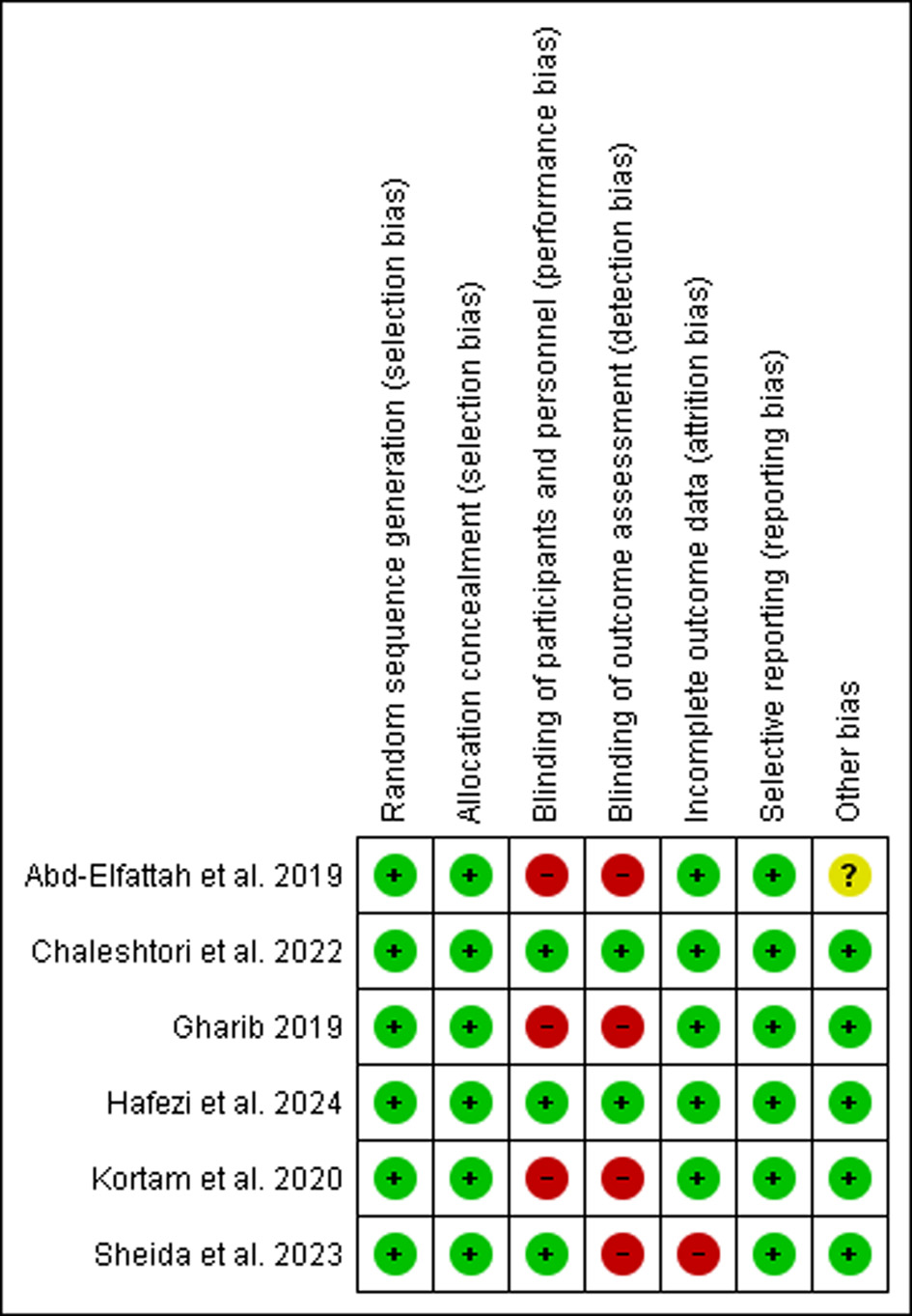
Methods: A comprehensive literature search was conducted across multiple electronic databases from inception to May 2025 to identify eligible randomized controlled trials (RCTs) evaluating L-carnitine supplementation compared with placebo in women with PCOS undergoing controlled ovarian stimulation. Data were extracted and analyzed using RevMan software. Primary outcomes included ovulation rate and clinical pregnancy rate; secondary outcomes were endometrial thickness and number of mature follicles.
Results: Six RCTs comprising 485 participants met the inclusion criteria. Pooled analysis demonstrated that L-carnitine supplementation significantly improved ovulation and clinical pregnancy rates compared with placebo. Additionally, women receiving L-carnitine exhibited greater endometrial thickness and a higher number of mature follicles than those in the control group.
Conclusions: L-carnitine supplementation during controlled ovarian stimulation appears to enhance reproductive outcomes in women with PCOS by improving ovulation, endometrial receptivity, and follicular development. These findings suggest that L-carnitine may serve as a valuable adjunct therapy in fertility treatment protocols for women with PCOS.
Published
Issue
Section
License
Copyright (c) 2026 The authors

This work is licensed under a Creative Commons Attribution 4.0 International License.